We build pop up schools around the world with the MAGGIE shelter
Supporting education through innovation.
People need buildings to organise classrooms. But in some situations fixed structures are not permitted, practical, or desired.
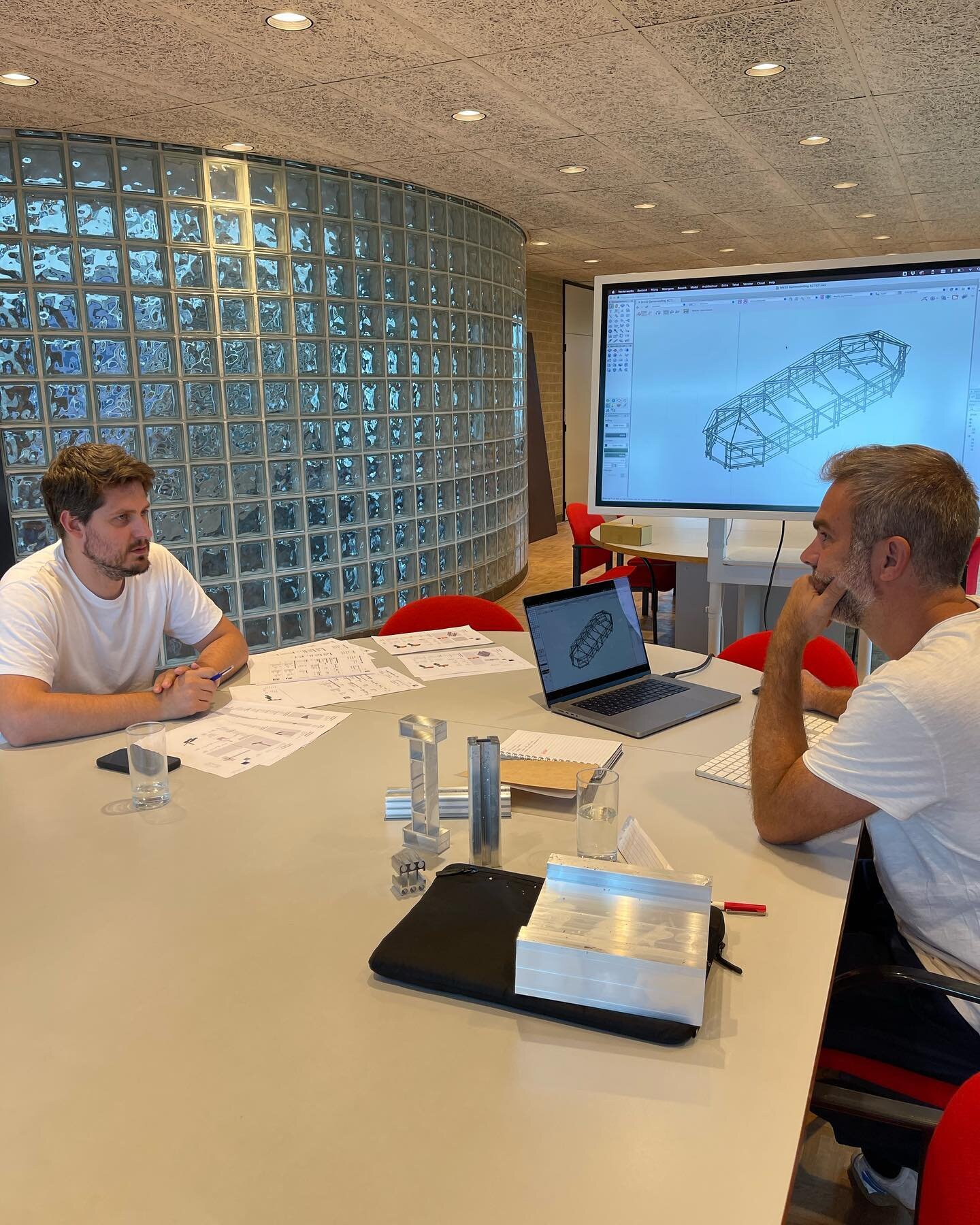
In 2015 DMOA architects designed the Maggie shelter, a semi-permanent structure that looks like a tent, but is designed and built to offer the advantages of modern buildings. The Maggie provides a multipurpose, temporary shelter for a diverse range of facilities such as housing units or learning and health centres in underprivileged communities and hard to reach areas.
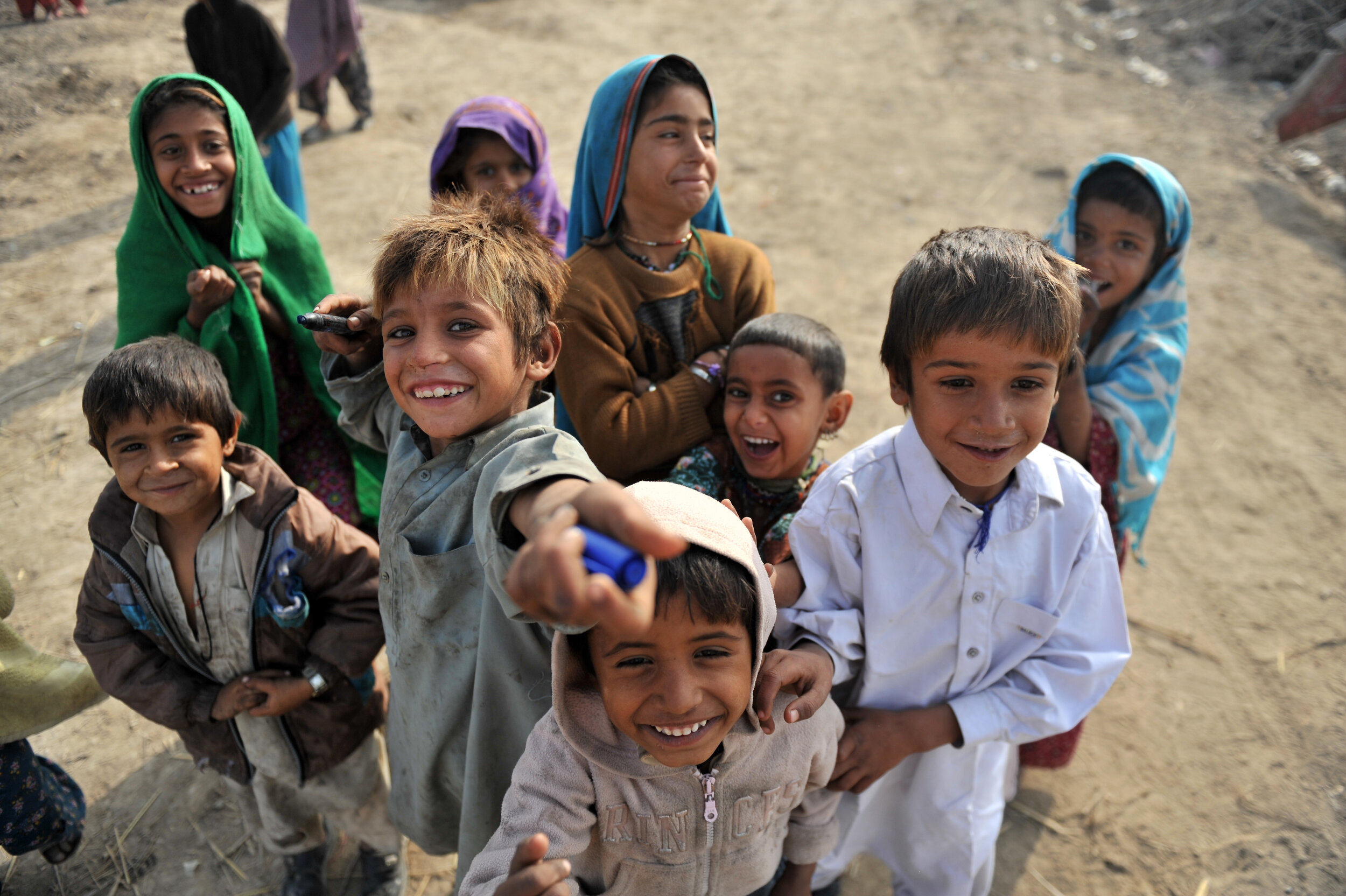
Today, education remains an inaccessible right for millions of children around the world. Although the situation is slowly improving, we, with Maggie Program, want to be part of this change.
We focus on places like natural disaster-stricken areas and refugee camps where Maggies’ unique properties such as construction speed and portability make the difference.

Our blueprints
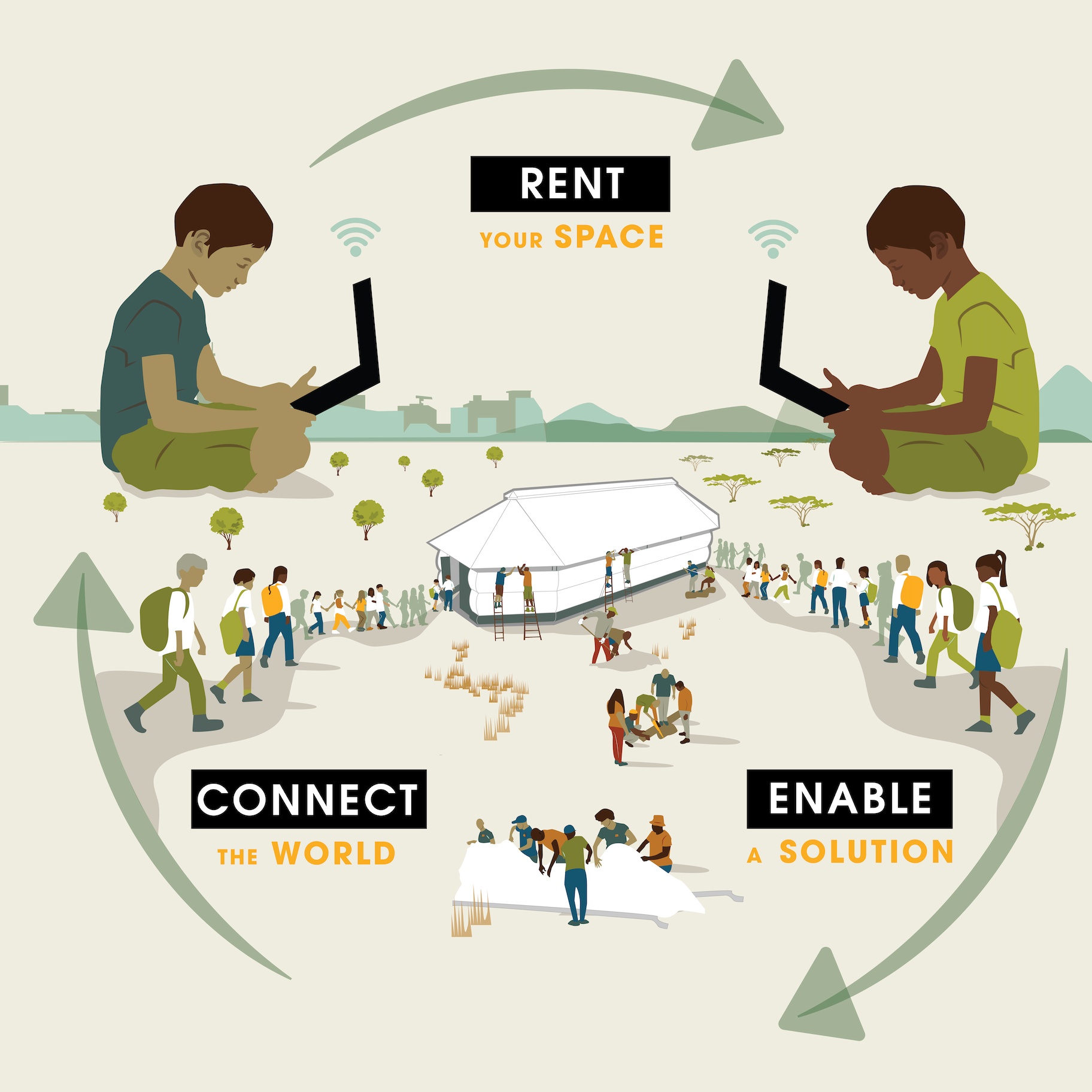
Rent. Enable. Connect.
Need extra space? Rent a flexible and sustainable space for a classroom, office, meeting room, workspace or other temporary needs.
Through our Rent – Enable – Connect model, your rental does more than provide space. Part of the revenue helps us realise Maggie goes to projects with our international partners — from schools and health centres to community spaces.
Together with BobBase, we connect local infrastructure needs with long-term impact in the Global South.
Your space today. A Maggie Shelter tomorrow.
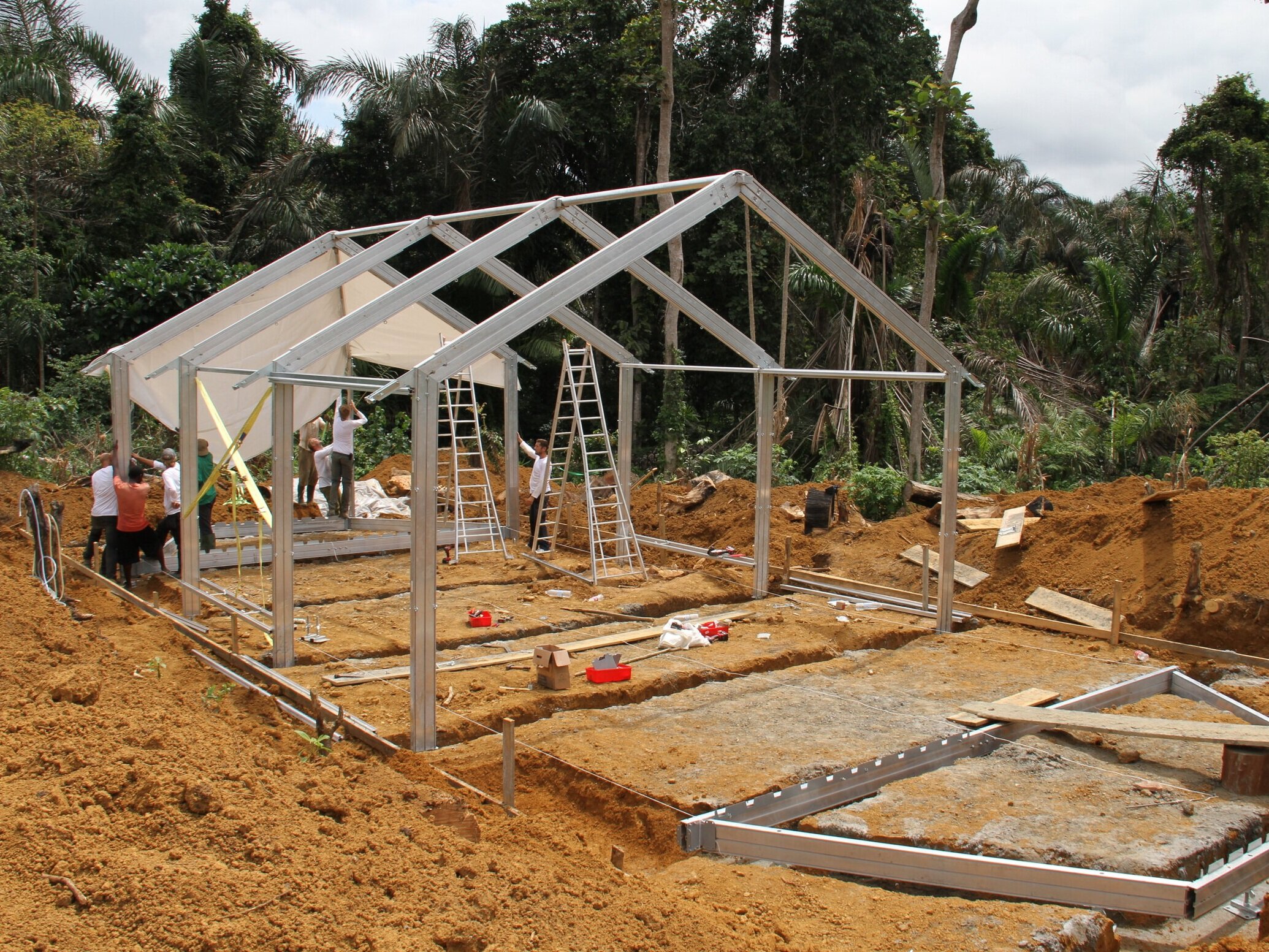
Maggie goes to
Are you a locally rooted organisation in the Global South with an urgent need for school infrastructure, health centers or community spaces?
The Maggie Shelter offers a flexible, sustainable and locally adaptable solution — creating safe, comfortable spaces for learning and community development.
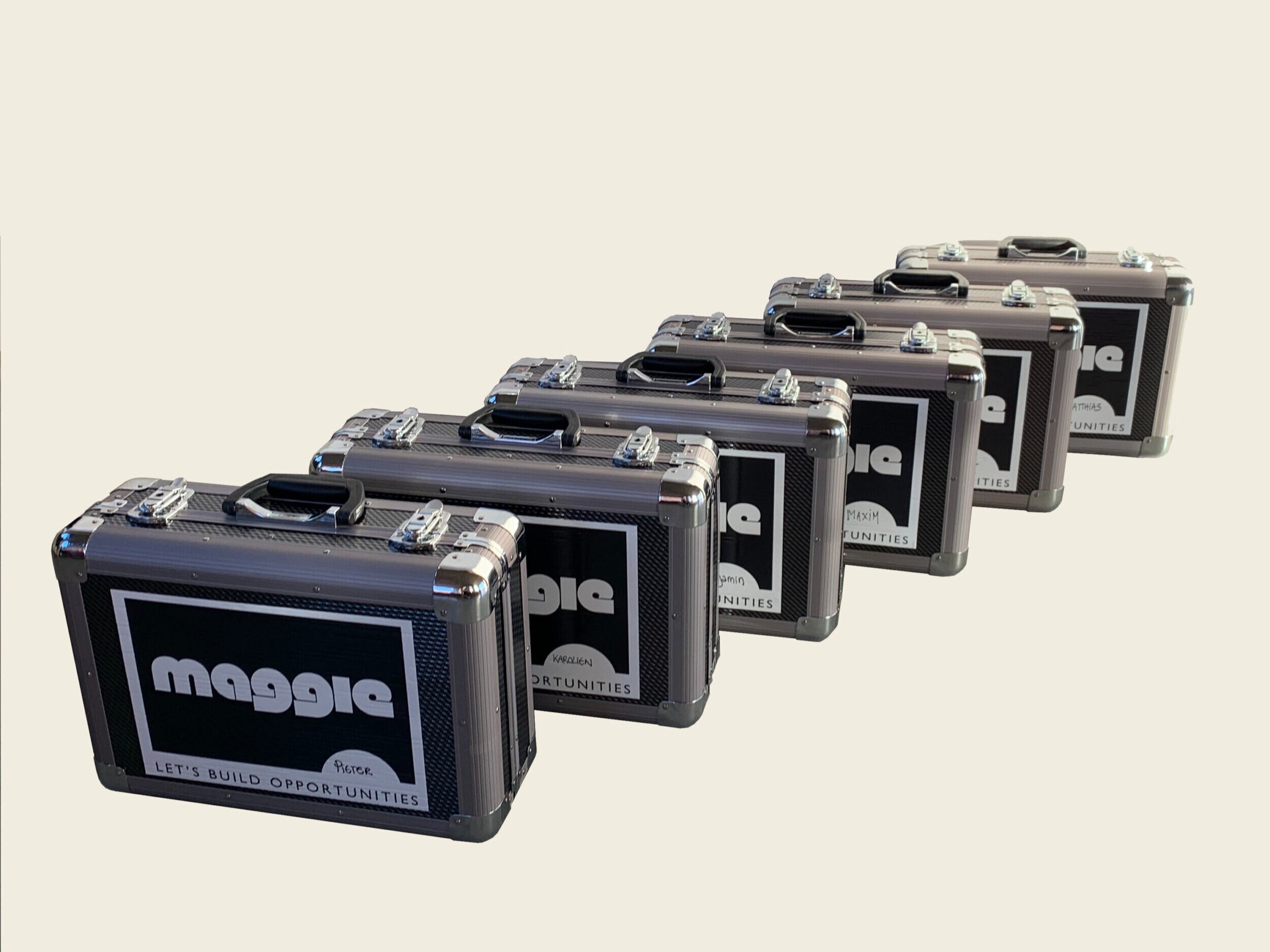
Hands-on impact
Want to do more than just donate? Roll up your sleeves and get involved.
As a Maggie project partner, you and your colleagues can join us on the ground to build a Maggie Shelter together with our local partners — turning your contribution into a shared experience with tangible impact.

Our vision
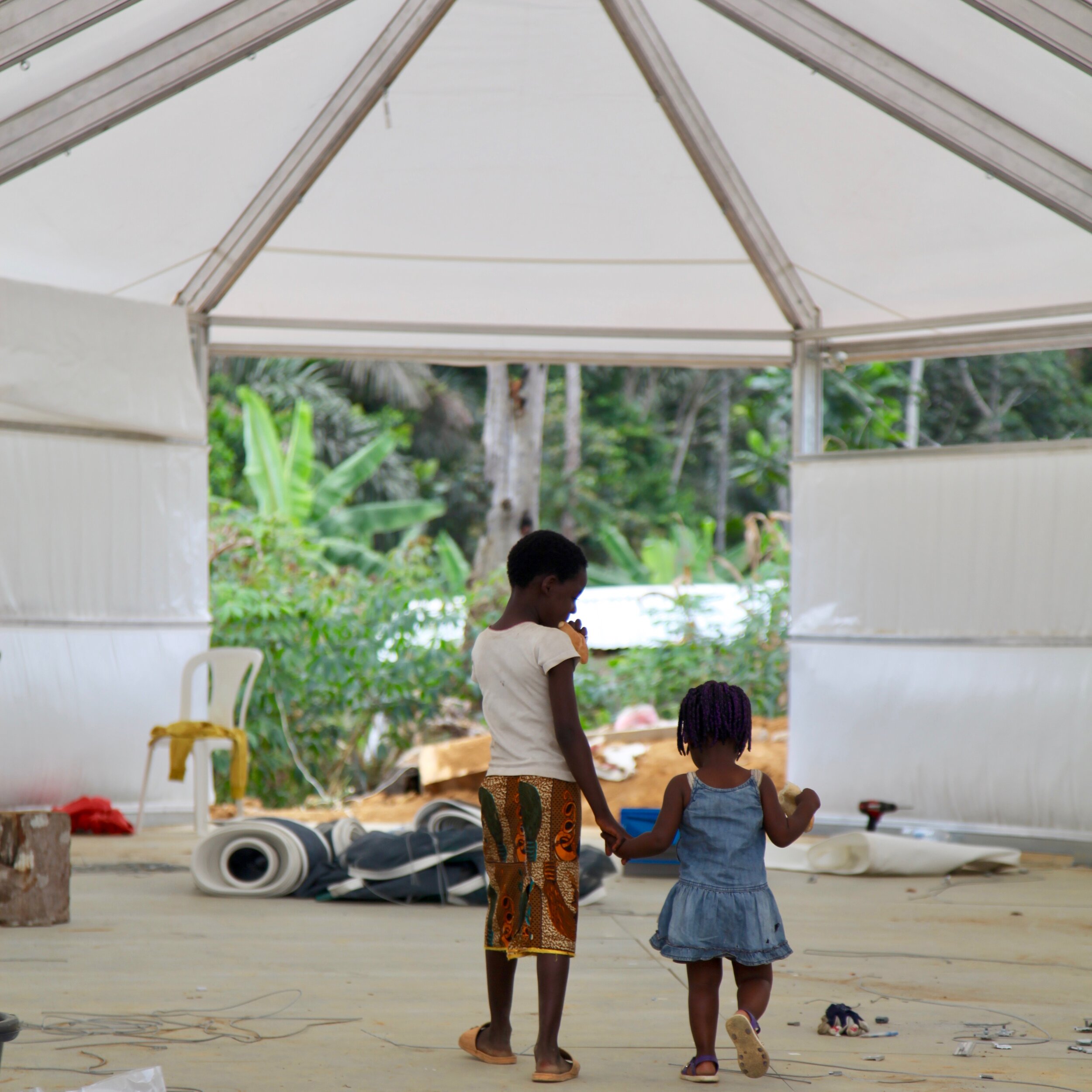
In a lot of situations fixed structures are not permitted, practical or desired. So we set out to create a temporary, low-cost shelter that has the qualities and advantages of a sturdy, insulated construction: a tent that acts like a building: introducing the ‘Maggie’.
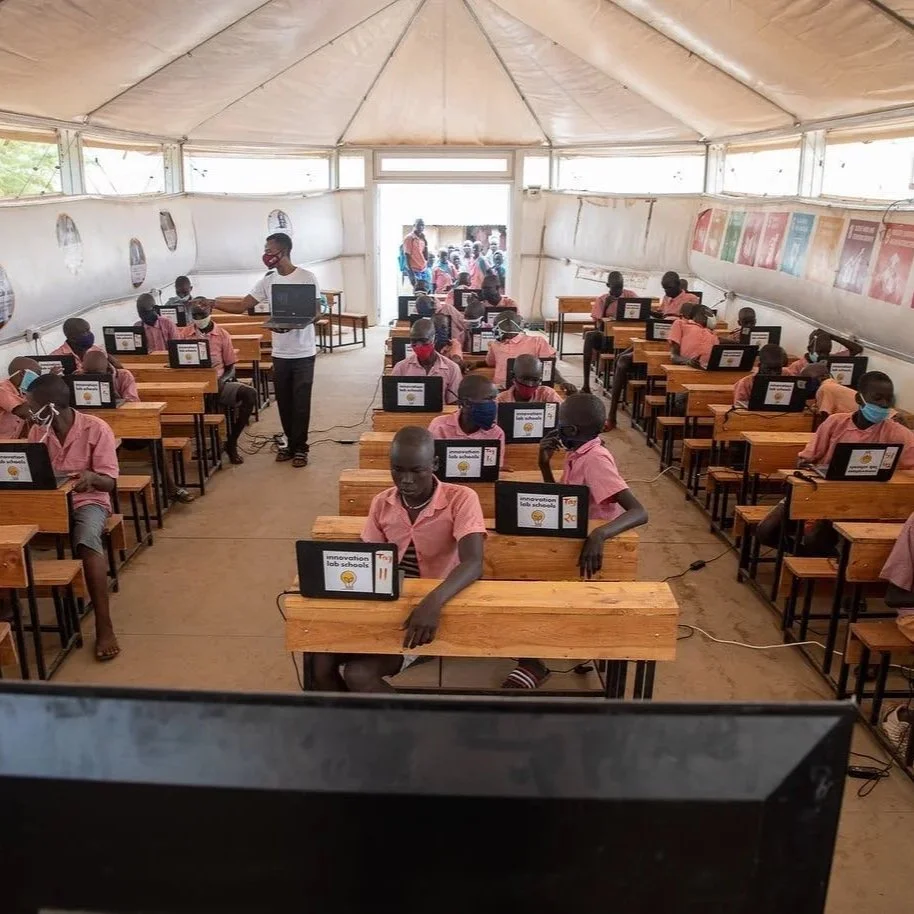
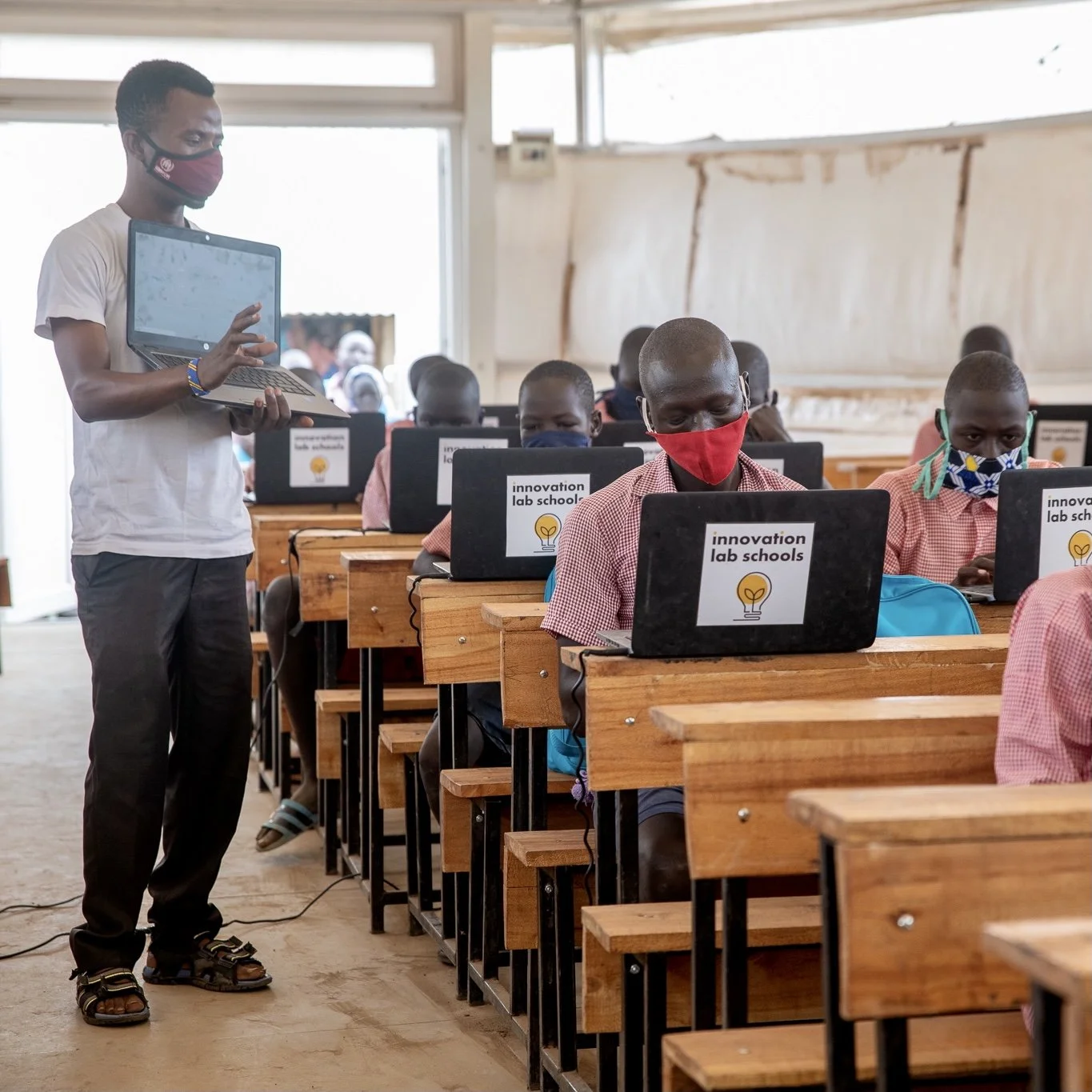
Our objective is to start up, implement, supervise and evaluate Maggie projects worldwide. We want to focus on places like natural disaster stricken areas and refugee camps where Maggies’ unique properties such as construction speed and portability make the difference. More specifically we’re really motivated by creating safe and qualitative spaces for education.
By choosing concrete projects over a broader approach we choose for a direct and clear impact. Through ‘Maggie goes to …’ we’ve been able to impact different communities around the world, providing them with quality spaces for education.
We believe that there’s a place for small and innovative initiatives in the human-aid sector.
With Maggie Program we bring this vision to life. It’s a small yet effective organization with a simple cost structure, high efficiency, and a lot of know-how. Due to our size, we are very decisive, making the rollout of projects easy and fast. Introducing an approach where end-quality, sustainability, inclusiveness, and long-term impact are central. Furthermore, we hope to inspire and challenge larger organisations with our projects.

Today, education remains an inaccessible right for millions of children around the world.
More than 72 million children of primary education age are not in school and 759 million adults are illiterate and do not have the awareness necessary to improve both their living conditions and those of their children. Although the situation is slowly improving, we, with Maggie Program, want to be part of this change.
Blueprint 1 - From local space to global impact
Rent. Enable. Connect.
What if the space you need today could help create space for someone else tomorrow?
Rent – Enable – Connect is Maggie Program’s circular model for connecting local infrastructure needs with long-term social impact. It offers schools, organisations and companies a way to address their own temporary need for space while, at the same time, contributing to sustainable infrastructure projects in the Global South.
The model was first piloted in 2020 with Maggie goes to Leuven. Since then, it has grown into a way of creating a direct link between local needs, sustainable infrastructure and international development.
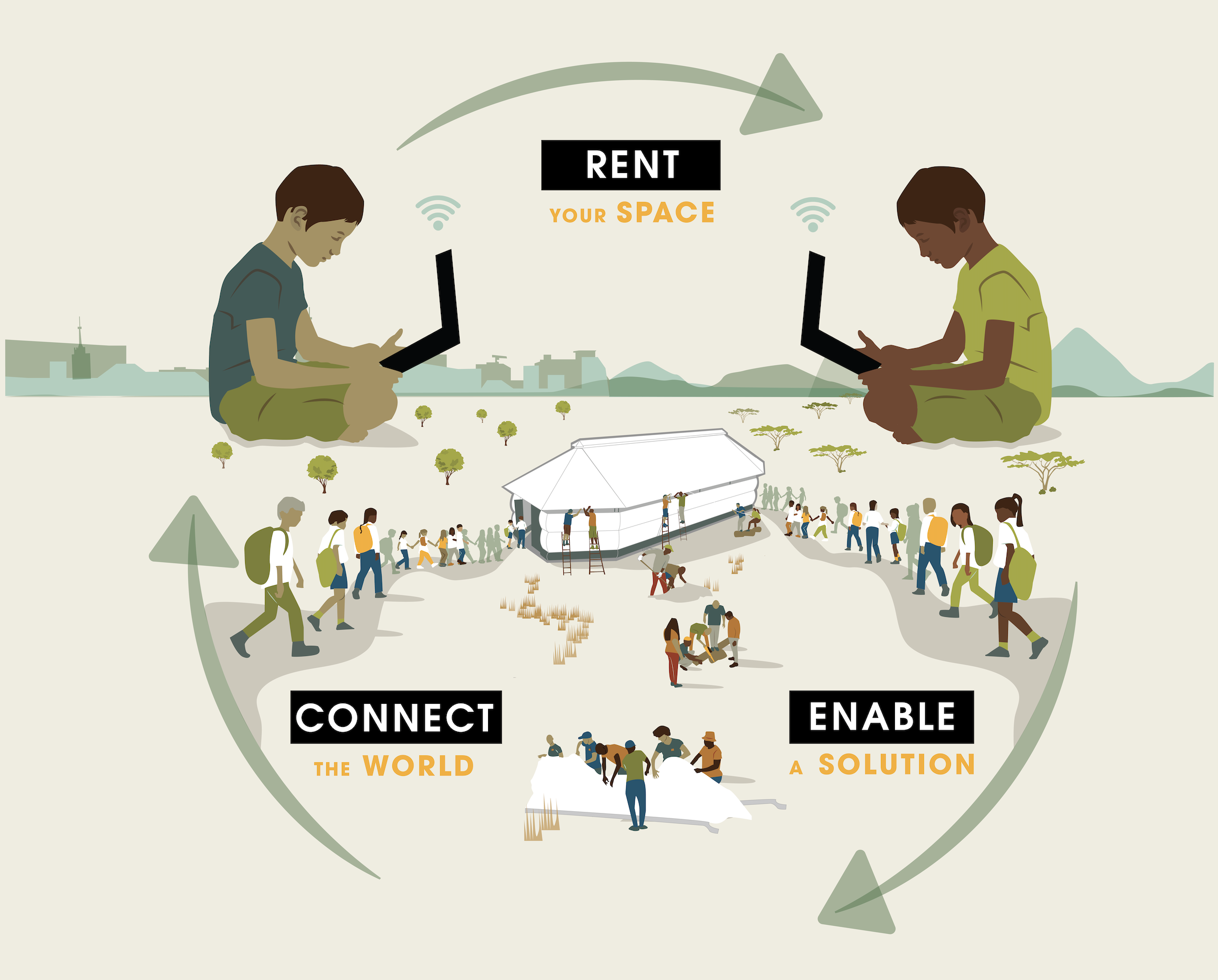
Rent your space
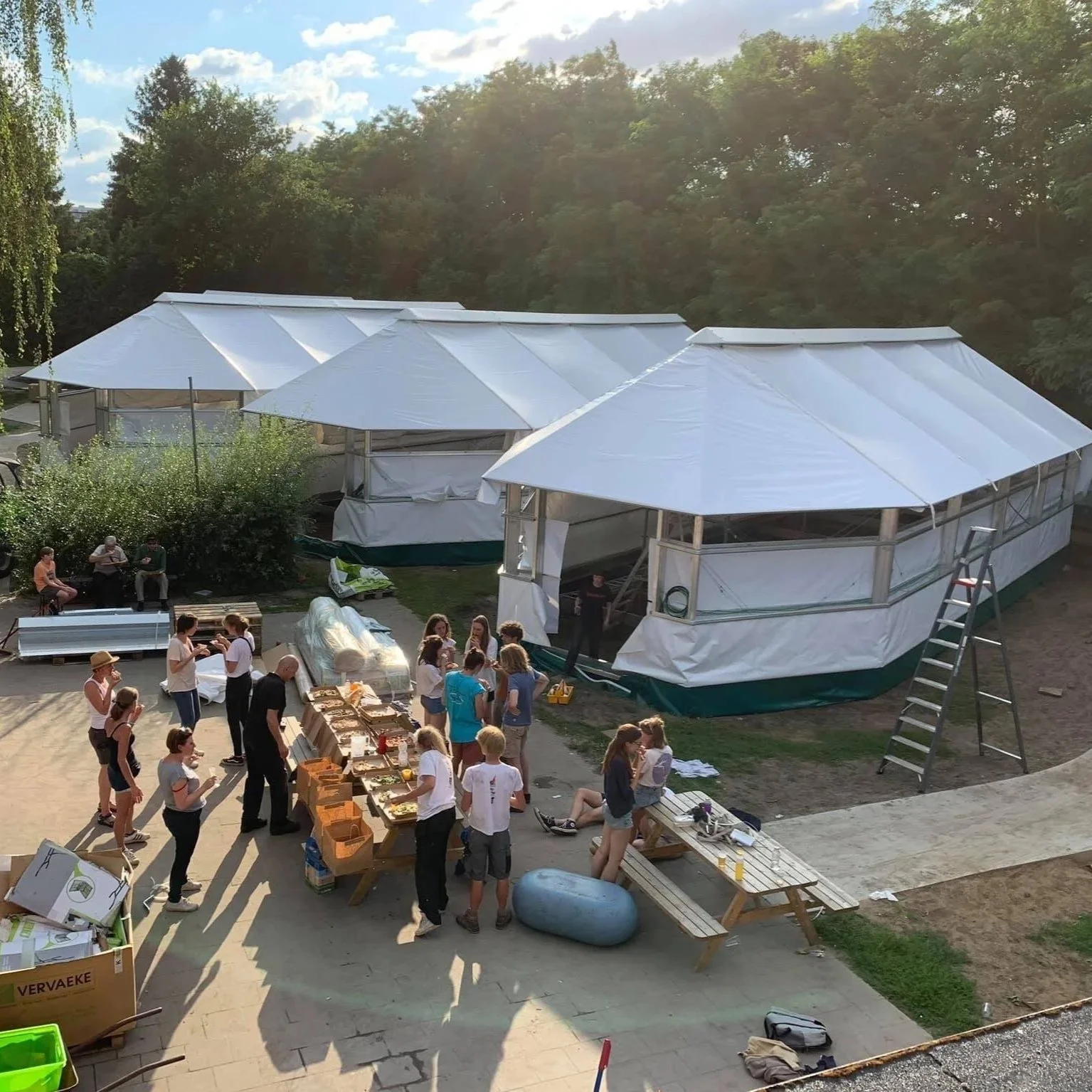
Schools, companies and organisations can rent a flexible and sustainable space for a classroom, office, meeting room, workspace or other temporary needs. It can serve as a classroom, office, meeting room, co-working space, storage area, site facility or other multifunctional space.
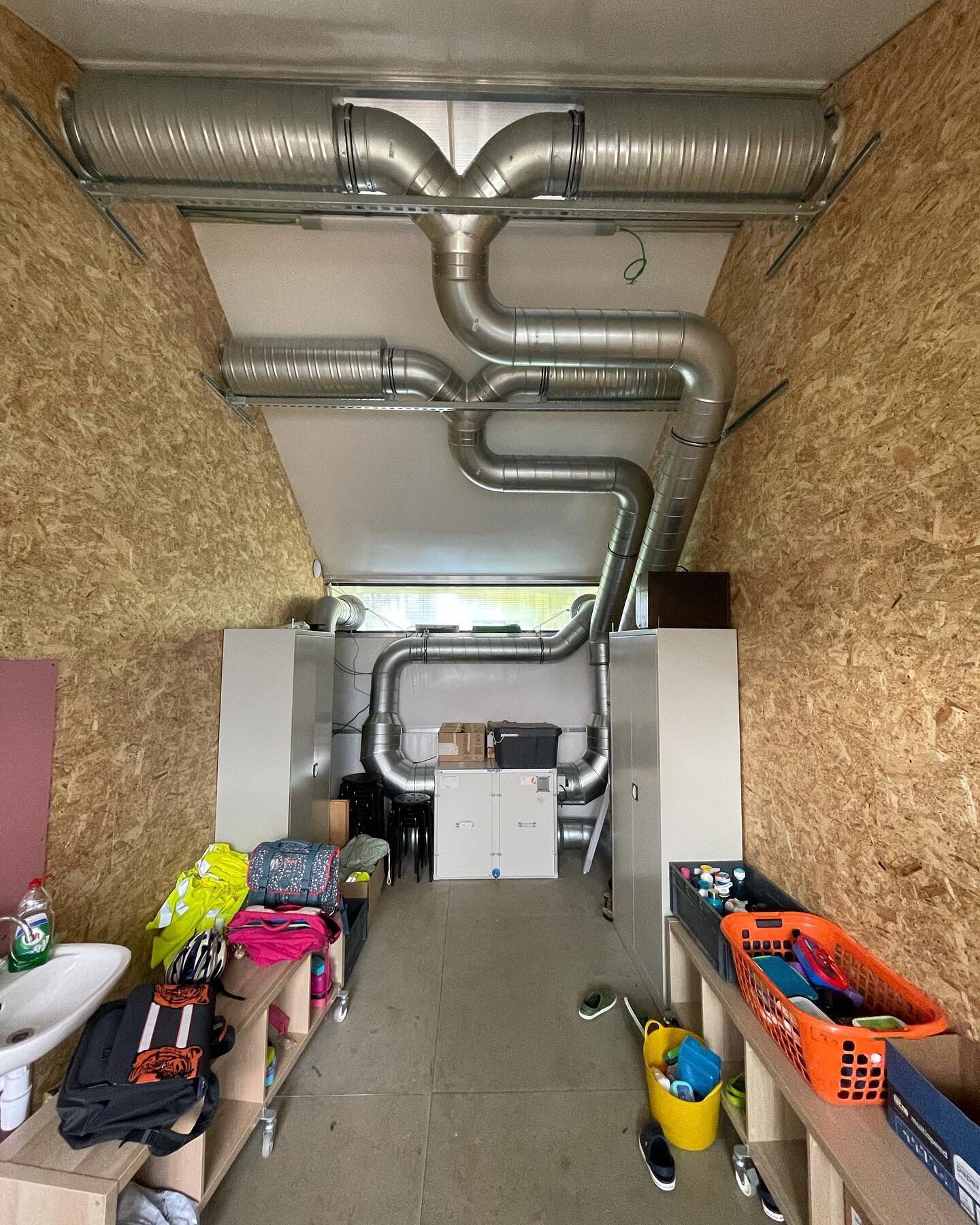
The shelter can be installed quickly and adapted to different situations, while providing a comfortable, high-quality indoor environment.
Instead of investing in infrastructure that is only useful for a limited period, organisations can choose a solution that is part of a wider circular system.
A solution for local needs
Enable a solution
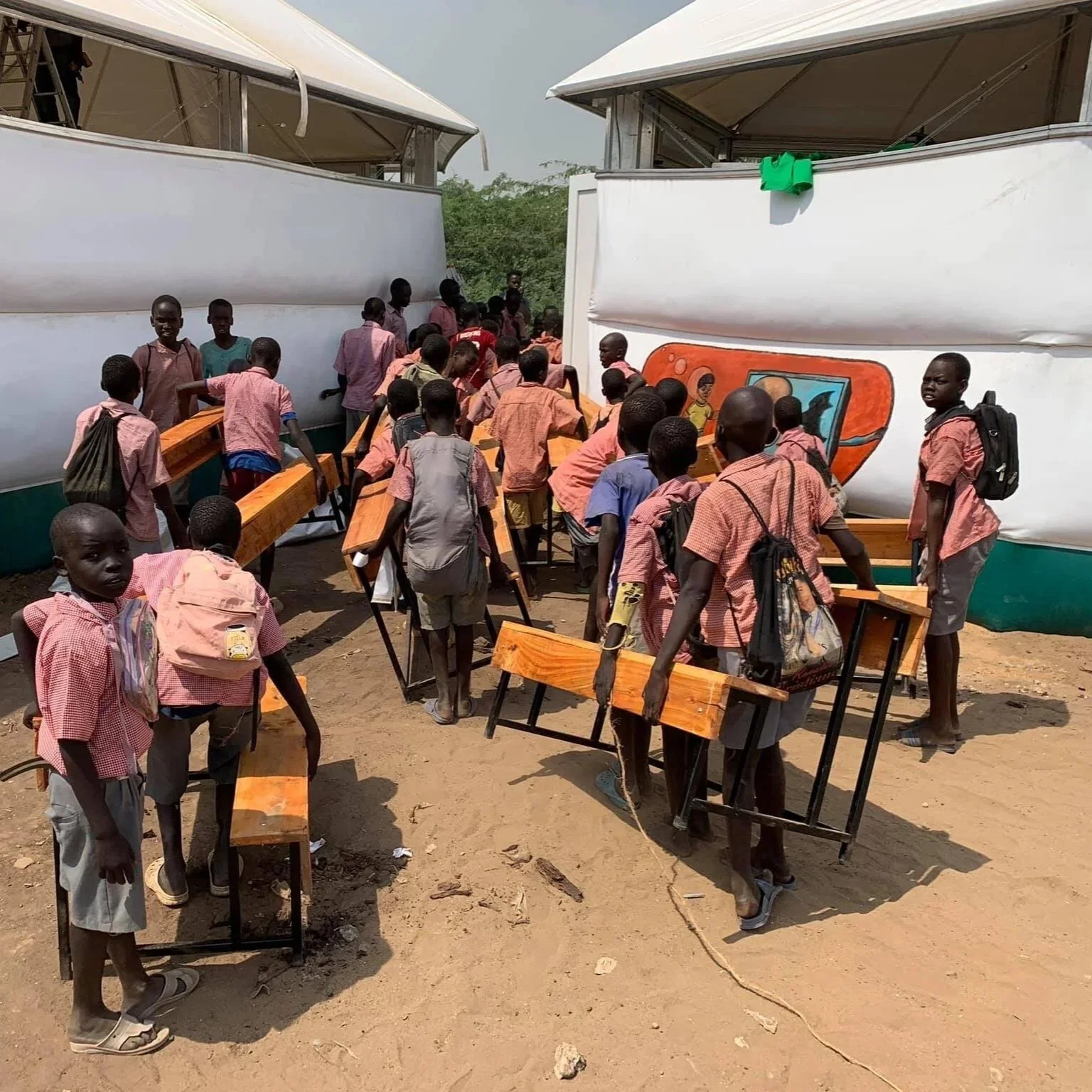
Part of the income generated through local rentals is used to help realise Maggie goes to projects with our international partners.
These projects respond to local needs in areas such as education, healthcare and community development. Depending on the context, this can mean creating a new school, health centre, community space or other essential infrastructure.
In this way, resources that would normally only address a temporary infrastructure need locally also contribute to creating lasting opportunities elsewhere.
The model therefore creates a form of shared value: the local organisation gets the space it needs, while its rental contributes to infrastructure and development where it is needed most.
Turning local resources into global impact
Connect the world
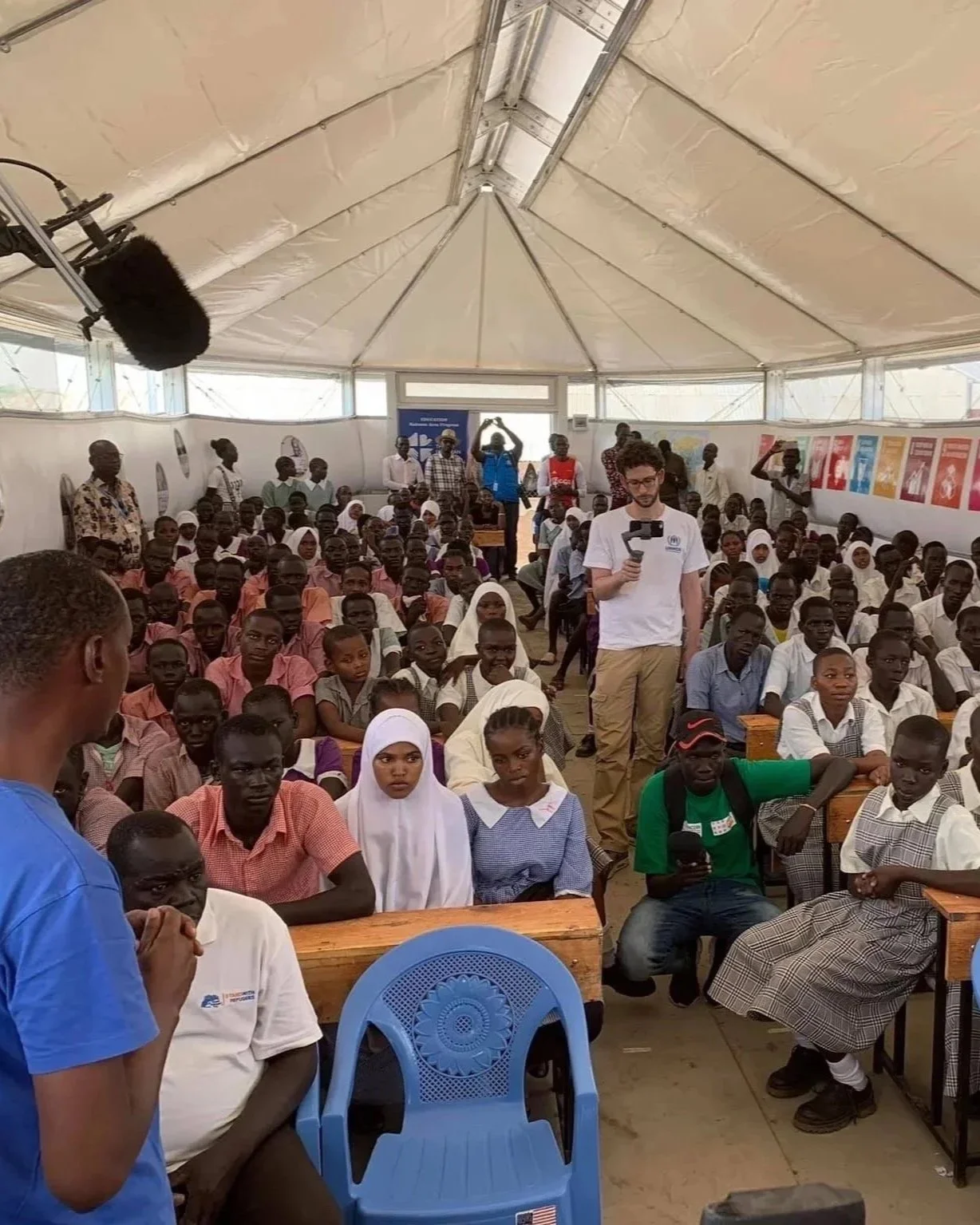
Rent – Enable – Connect is about more than infrastructure. It creates connections between communities, organisations and people who would otherwise remain far apart.
Local schools, companies and organisations can become connected to international projects through their use of a Maggie. Employees, students and communities can discover where their contribution goes and become involved in the story behind the project.
In the international projects, Maggie Shelters are developed together with local partners and communities. Local materials, knowledge and labour are integrated into the construction, creating local ownership and strengthening the impact of the project beyond the building itself.
The Maggie becomes a platform for connection: between local and global challenges, between infrastructure and development, and between people with very different backgrounds.
Linking people, places and opportunities
A circular model for lasting impact
The strength of Rent – Enable – Connect lies in its ability to create multiple layers of value from one infrastructure investment.
A temporary space in Belgium can help finance a permanent social infrastructure project elsewhere. A local rental becomes a contribution to education, healthcare or community development. And the infrastructure itself is designed with circularity and adaptability in mind.
This creates a social ecosystem in which resources are continuously redirected towards new needs and opportunities.
Rather than relying solely on donations, Maggie Program aims to build a model that generates part of its own resources through sustainable collaborations.
Local needs help enable global solutions, and global projects give local partnerships a wider purpose.
Our Rent - Enable - Connect projects
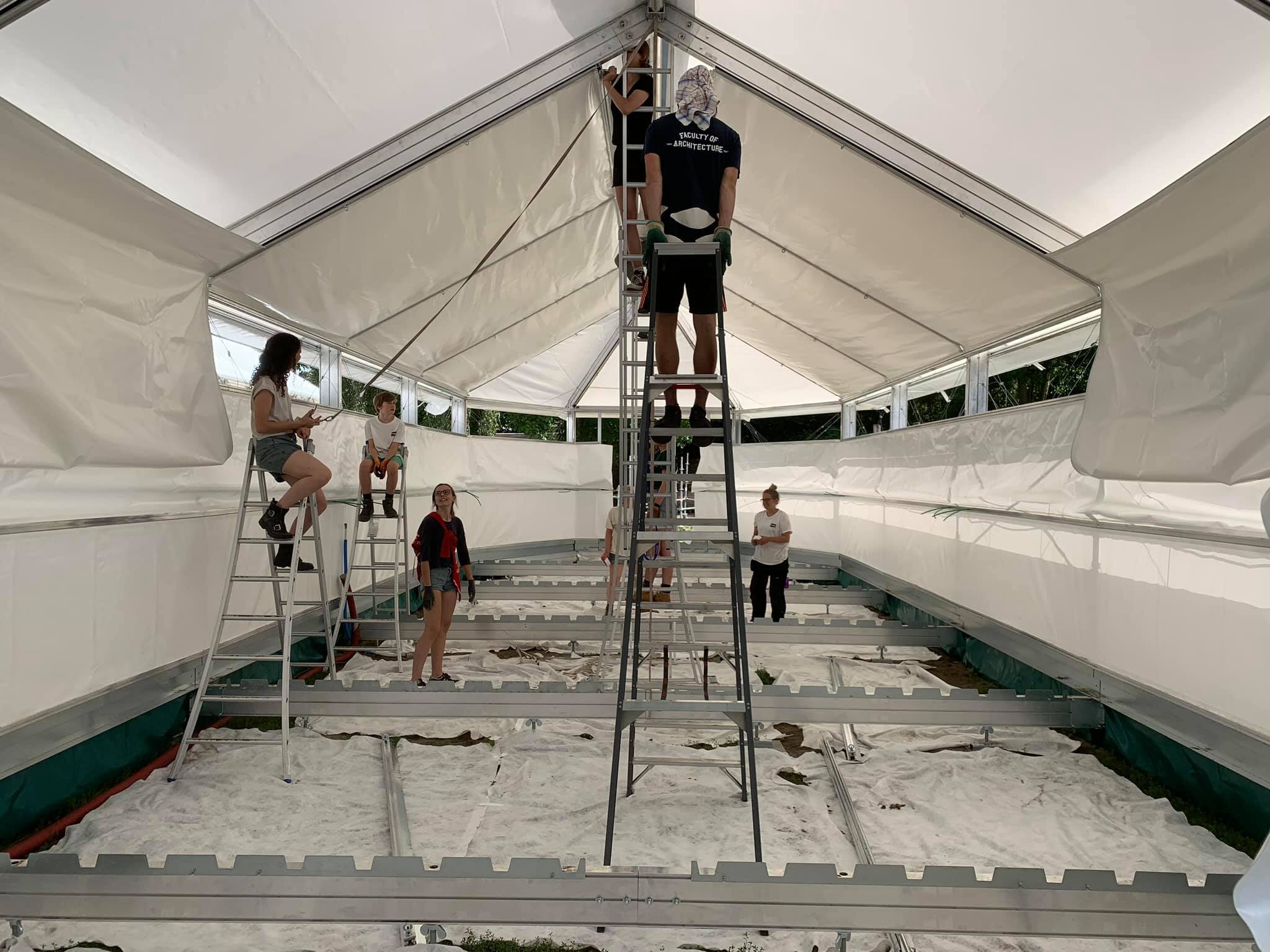
In the summer of 2020, the first pilot project based on this concept was realised for Sint-Norbertus school in Heverlee. During a major renovation, the school needed temporary classrooms. Containers were initially considered, but proved unsuitable for the location.
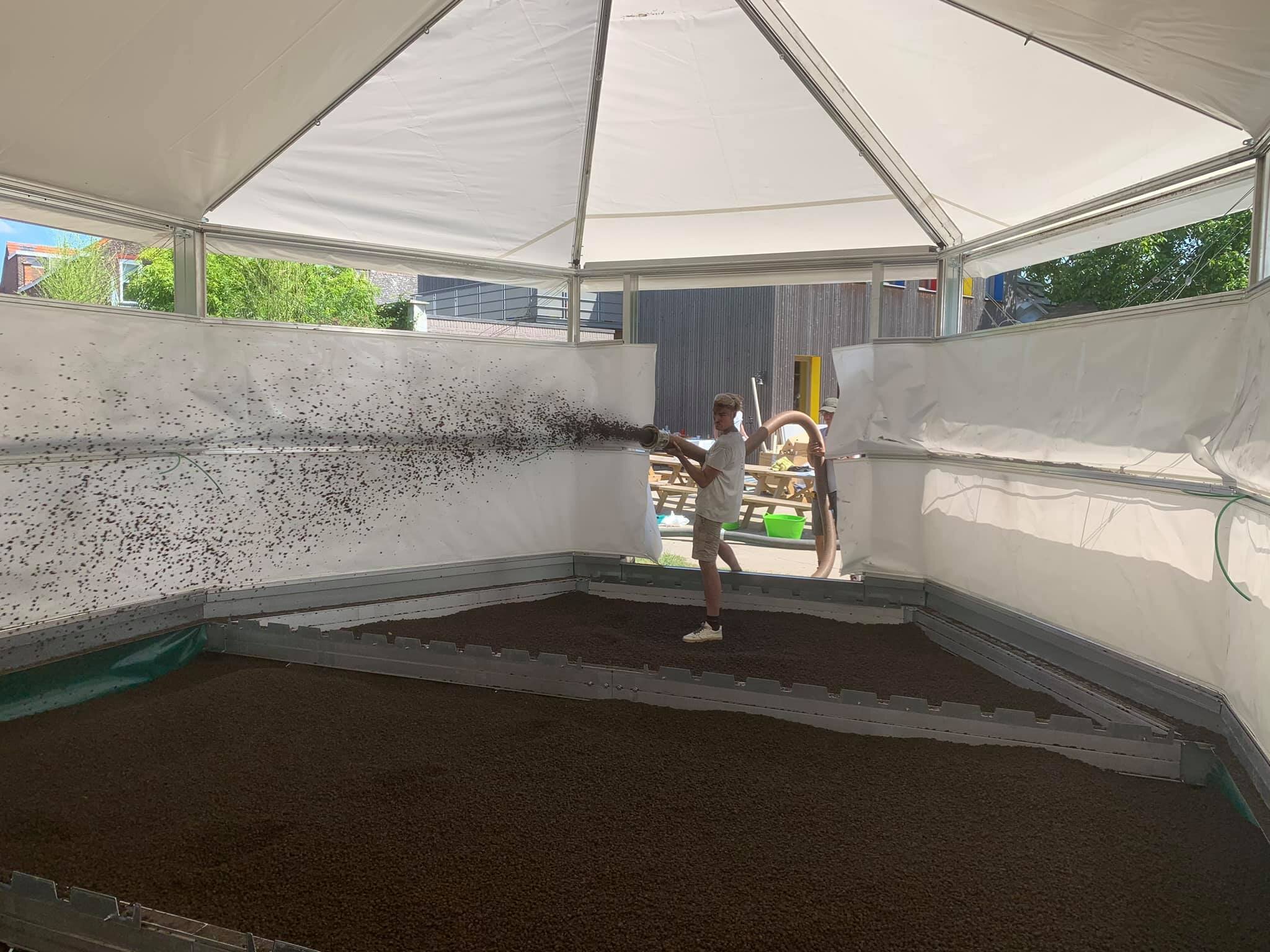
Instead, with the help of volunteers, we built four low-energy Maggie Shelters, providing six classrooms and a teachers’ room.
The pilot demonstrated how a local, temporary infrastructure need could become part of a wider circular model — connecting a solution in Belgium with social impact beyond its original use.
Over the past years, the model has helped provide temporary classrooms and multifunctional spaces in locations including Leuven, Herent, Wilsele, Wespelaar, Haacht and Holsbeek.
At the same time, these local partnerships have helped create opportunities to develop international Maggie goes to projects.
Rent – Enable – Connect turns a temporary need for space into an opportunity for lasting impact.build-up
PHASE 1 First build-up


PHASE 2 Disassembly
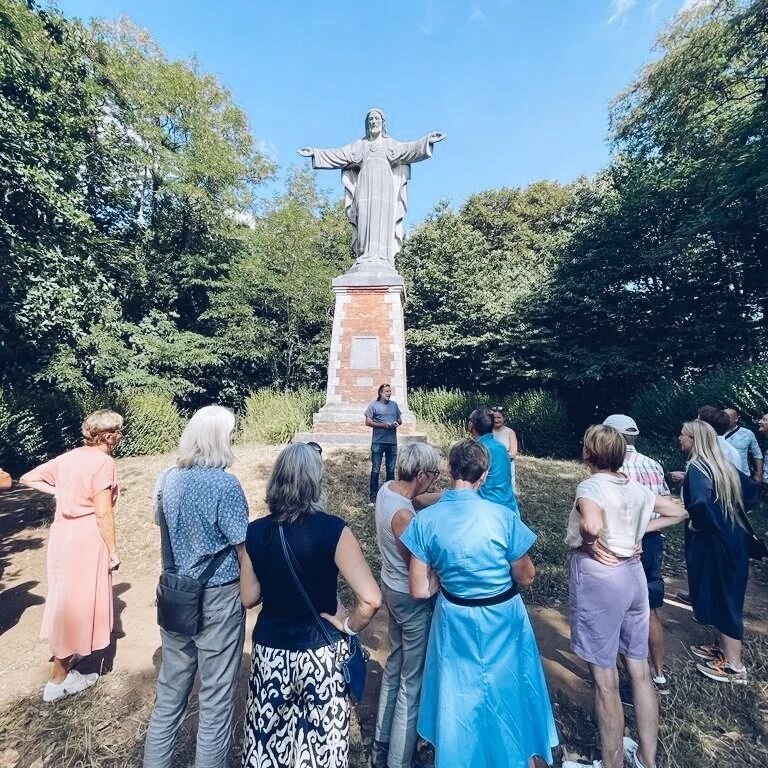
Maggie went to Leuven



Blueprint 2 - from a structure to a community
Maggie goes to
The Maggie Program develops sustainable, high-quality spaces that support education and community development in the Global South. We work together with local partners and communities to create infrastructure that responds to a real local need and can grow with the people who use it.
Every Maggie goes to project is shaped by its local context. We focus on three principles:
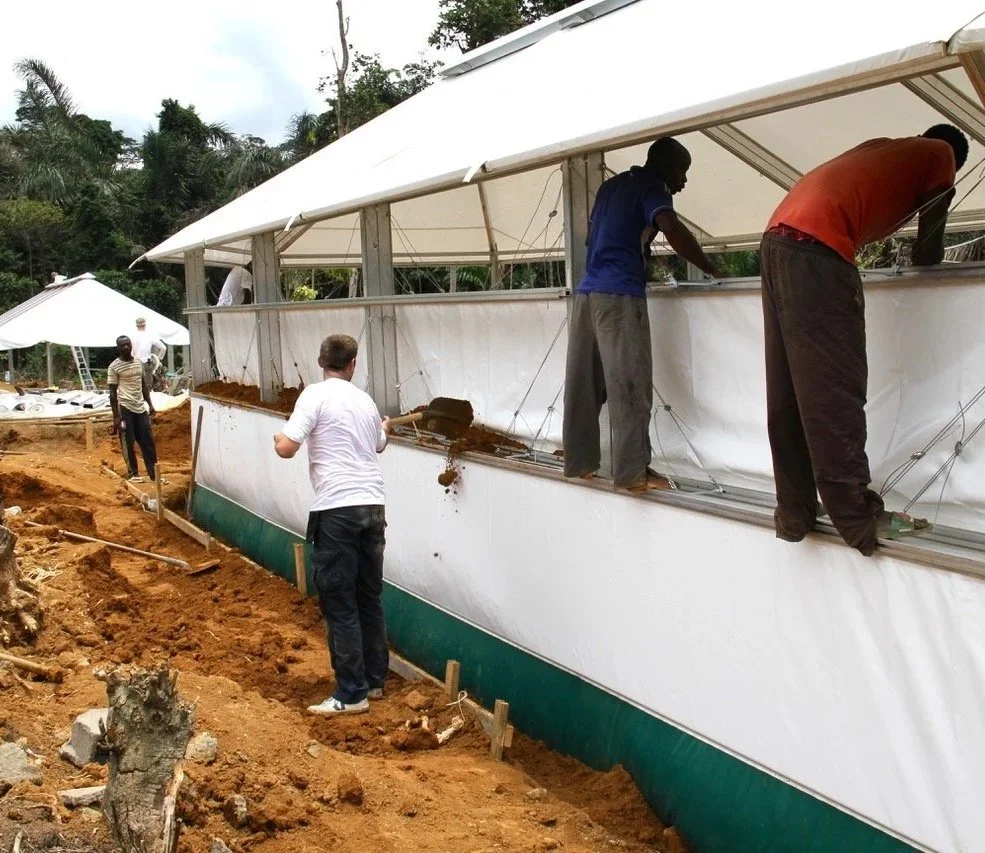
Building with local resources — integrating local materials, knowledge and craftsmanship wherever possible.
Sharing knowledge — working alongside local communities and partners so that knowledge and skills remain local and can be applied to future projects.
Designing for the context — every project starts from the needs, opportunities and challenges of the local community. We develop a tailor-made solution rather than applying a one-size-fits-all approach.
Together with the community
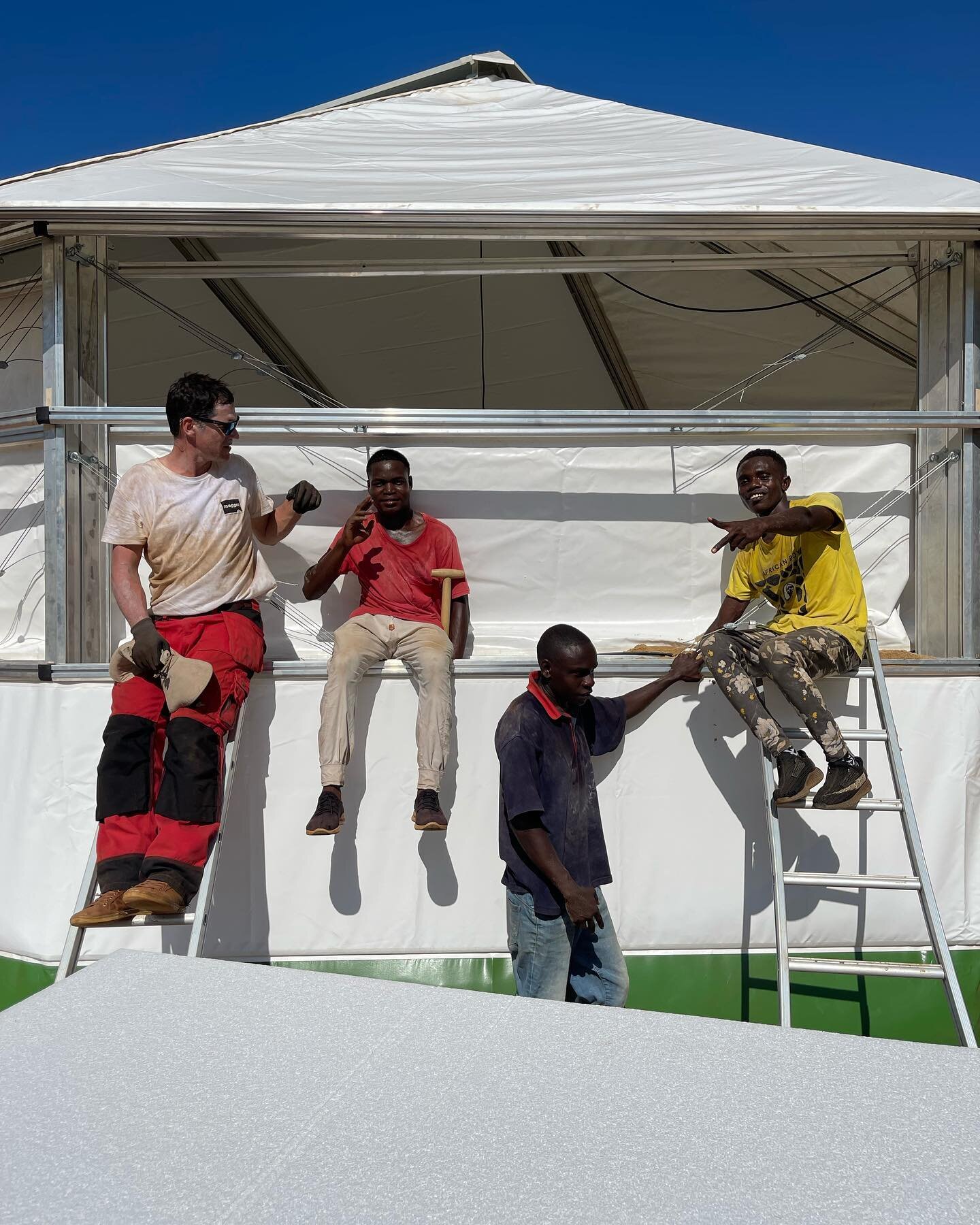
The Maggie Shelter combines a fast, adaptable construction system with local knowledge and resources. Working alongside local partners and workers allows us to create high-quality spaces in places where conventional construction may be difficult due to logistical, financial, political or time-related constraints.
Where appropriate, we use locally available materials — such as sand, earth, clay, straw or other recovered materials — to fill and finish the structure. This makes each Maggie responsive to its environment while reducing the need to transport materials over long distances.
Most importantly, we start from an existing local need. Maggie Program works with local organisations that know their communities and identify where infrastructure can make a meaningful difference. The Maggie therefore becomes part of an existing ecosystem rather than a solution imposed from outside.
In tandem with our partners
Maggie goes to projects are made possible through a network of local organisations, international partners, companies, schools, foundations and private supporters who share our ambition to create sustainable impact through infrastructure.
Our partners contribute in different ways — through funding, expertise, materials, logistics or hands-on involvement. This collaborative approach allows each project to bring together resources and knowledge from different backgrounds while keeping local ownership at its core.
The Rent – Enable – Connect model adds another dimension to this ecosystem. Through local partnerships in Belgium, temporary infrastructure needs can help generate resources for Maggie goes to projects elsewhere in the world.
In this way, every project becomes part of a larger cycle: local needs enable global solutions, and global partnerships create lasting local impact.
Our Maggie goes to projects
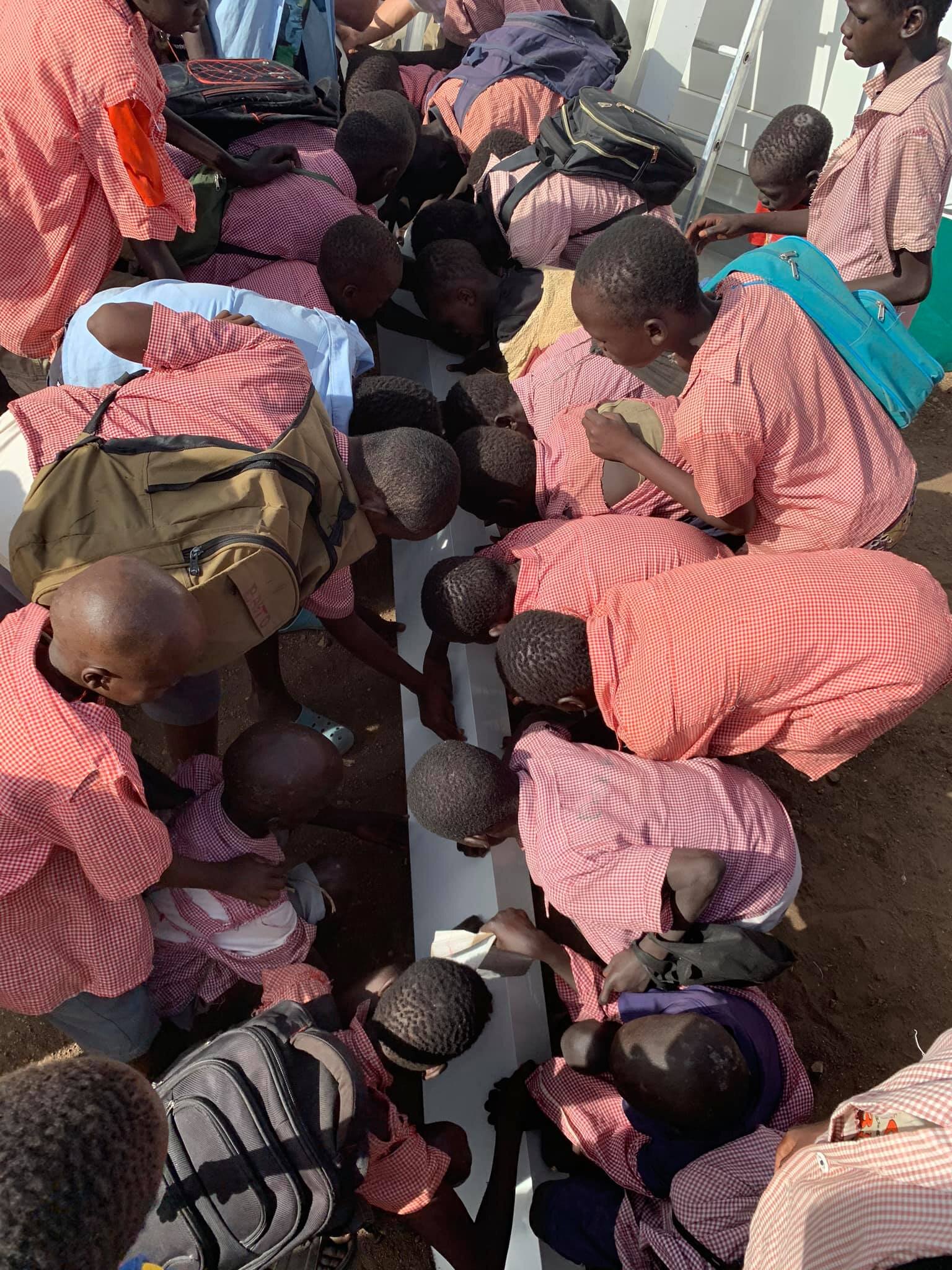
Read more about our previous ‘Maggie goes to’-projects to Cameroon (2018), Yezidi (2019), Kakuma (2020) and The High Atlas (2024).




Blueprint 3 - From helping hands to shared impact
Hands-on impact
Maggie projects are made possible by a network of committed people who contribute their time, skills and energy. But impact is even stronger when you can experience it first-hand.
Get involved
Does your company have an engaged team that wants to do more than simply support a humanitarian project? Join us on the ground and become part of a Maggie project.
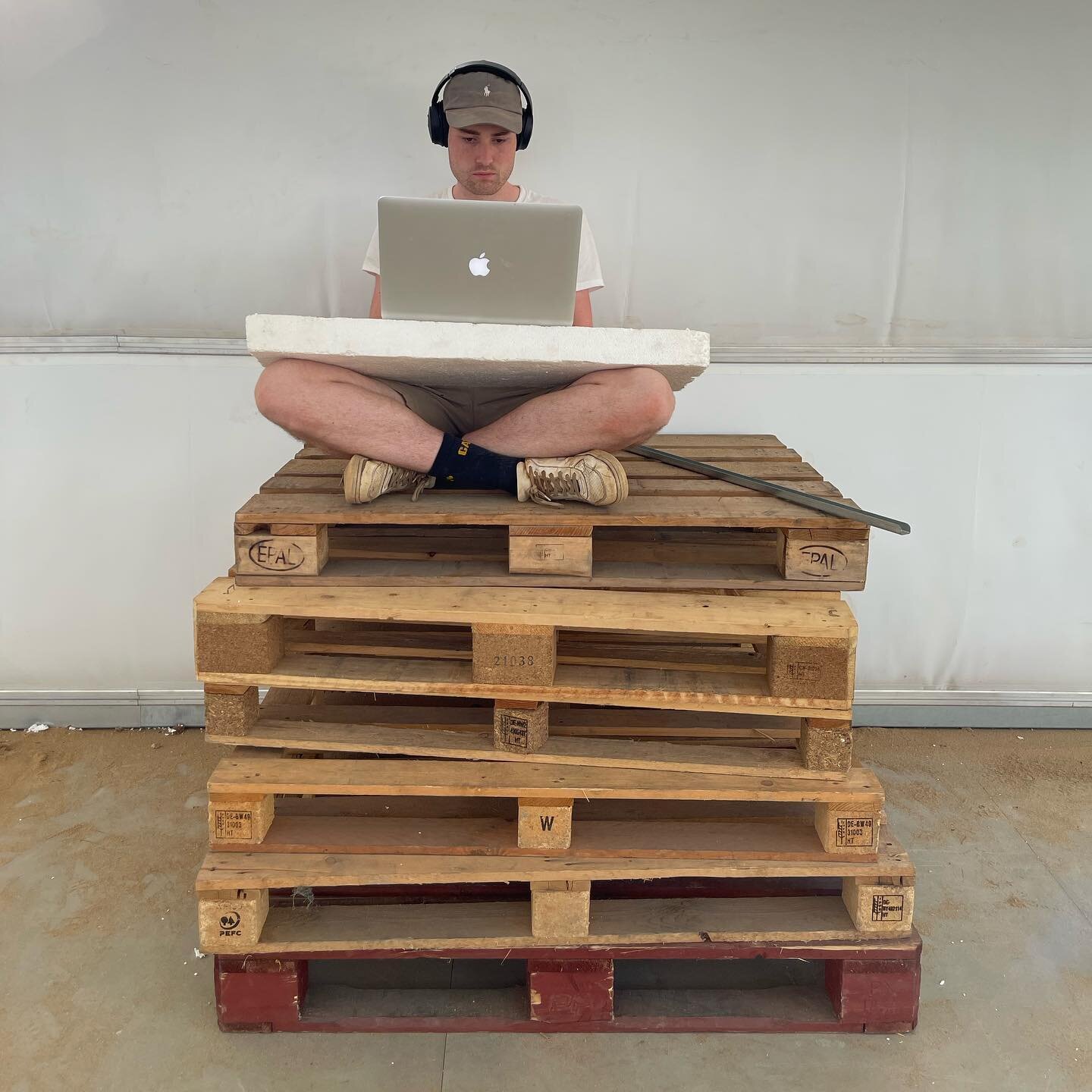
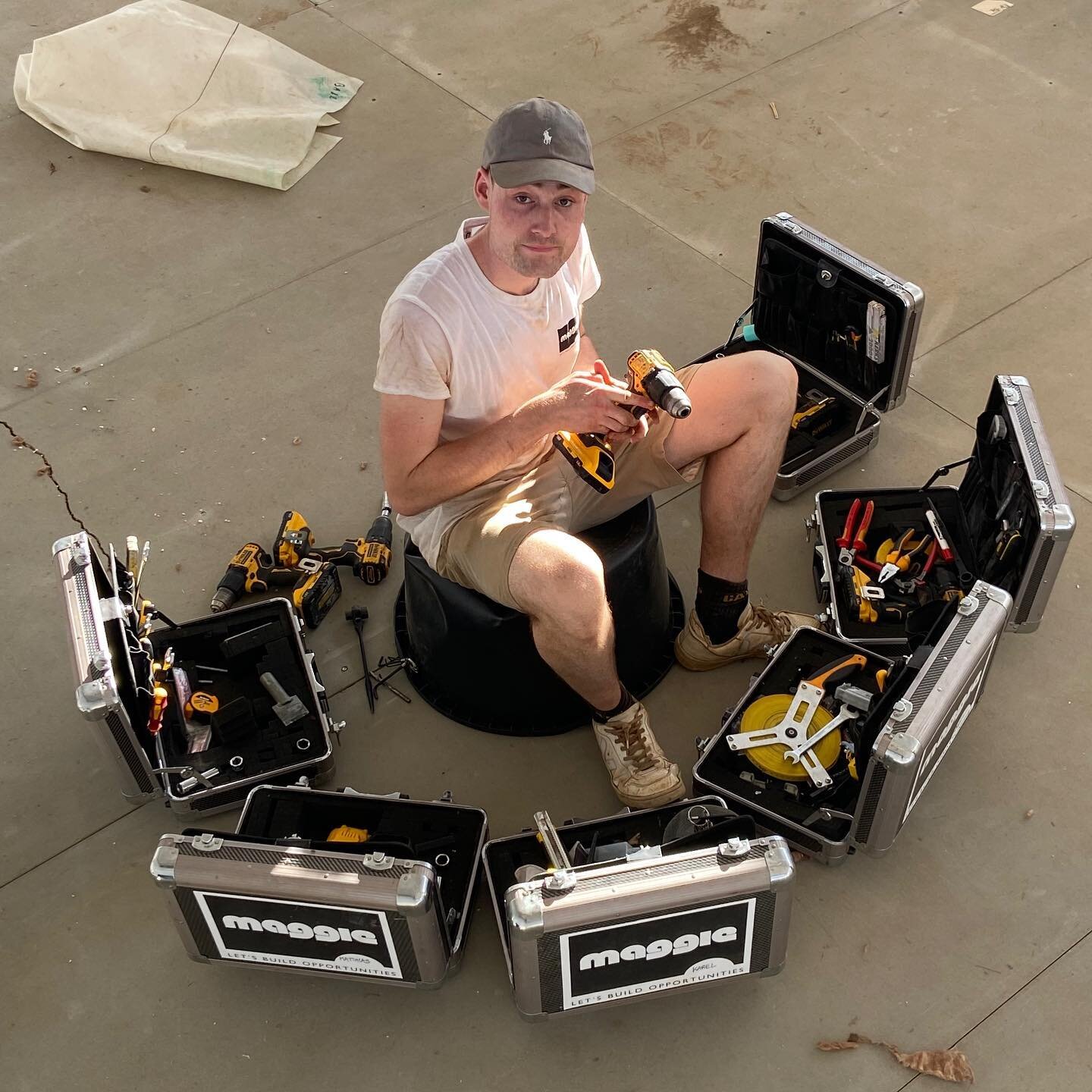
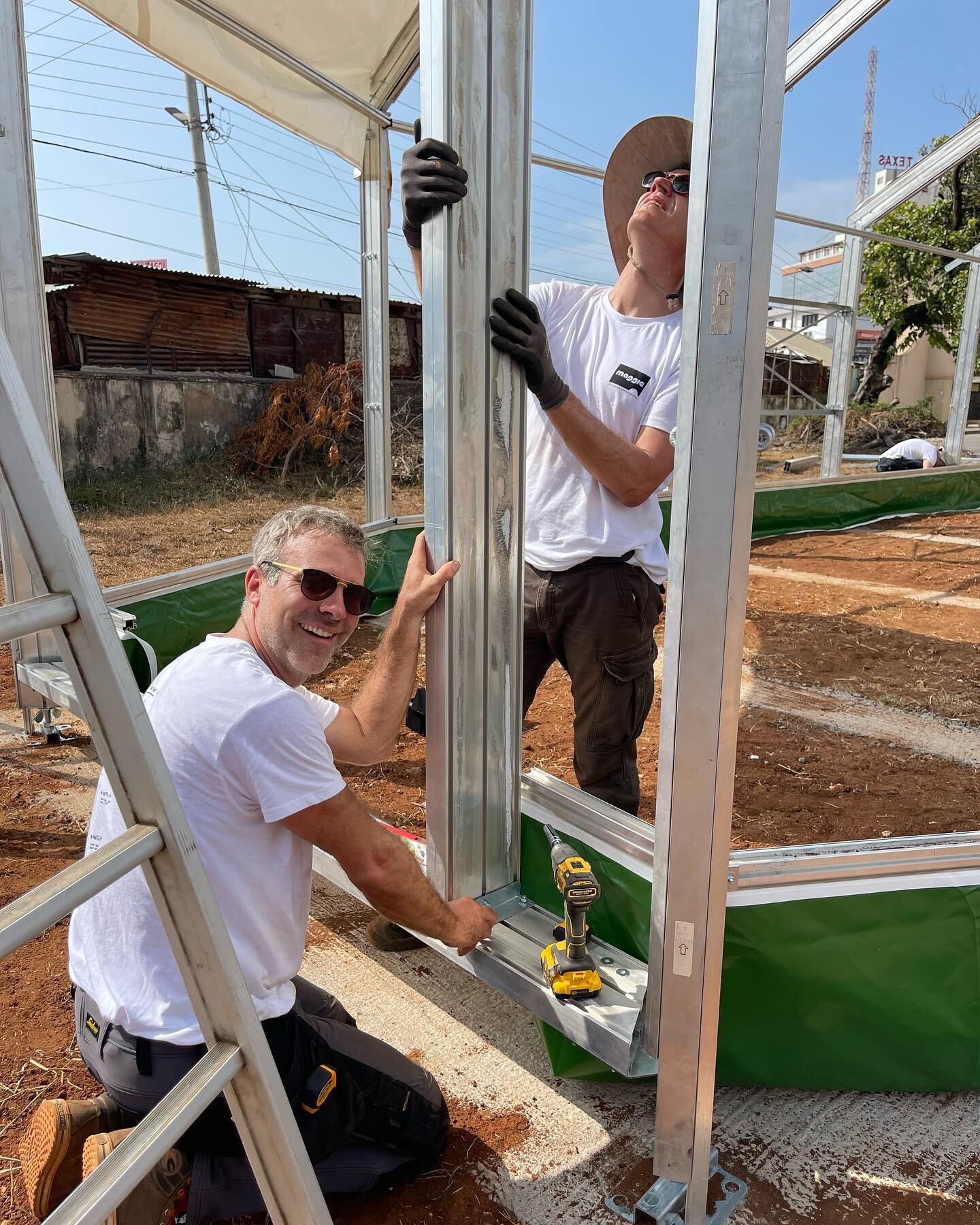
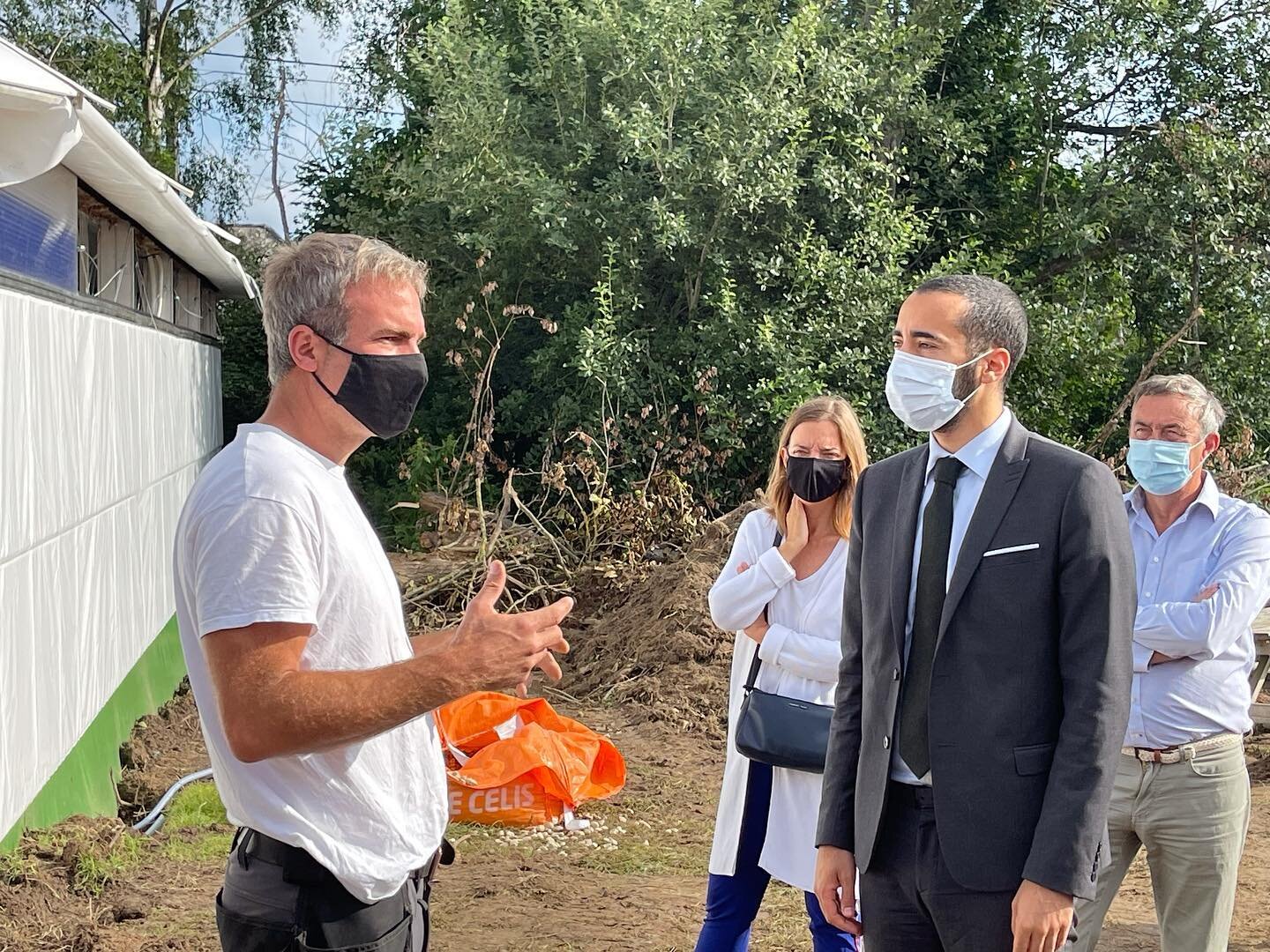
Together with your colleagues and our local partners, you can help build a Maggie Shelter and experience the project from the inside — from getting your hands dirty on the construction site to meeting the people and communities who will use the space.
It is an opportunity to contribute, connect and learn, while creating something tangible together.
Our hands-on impact projects
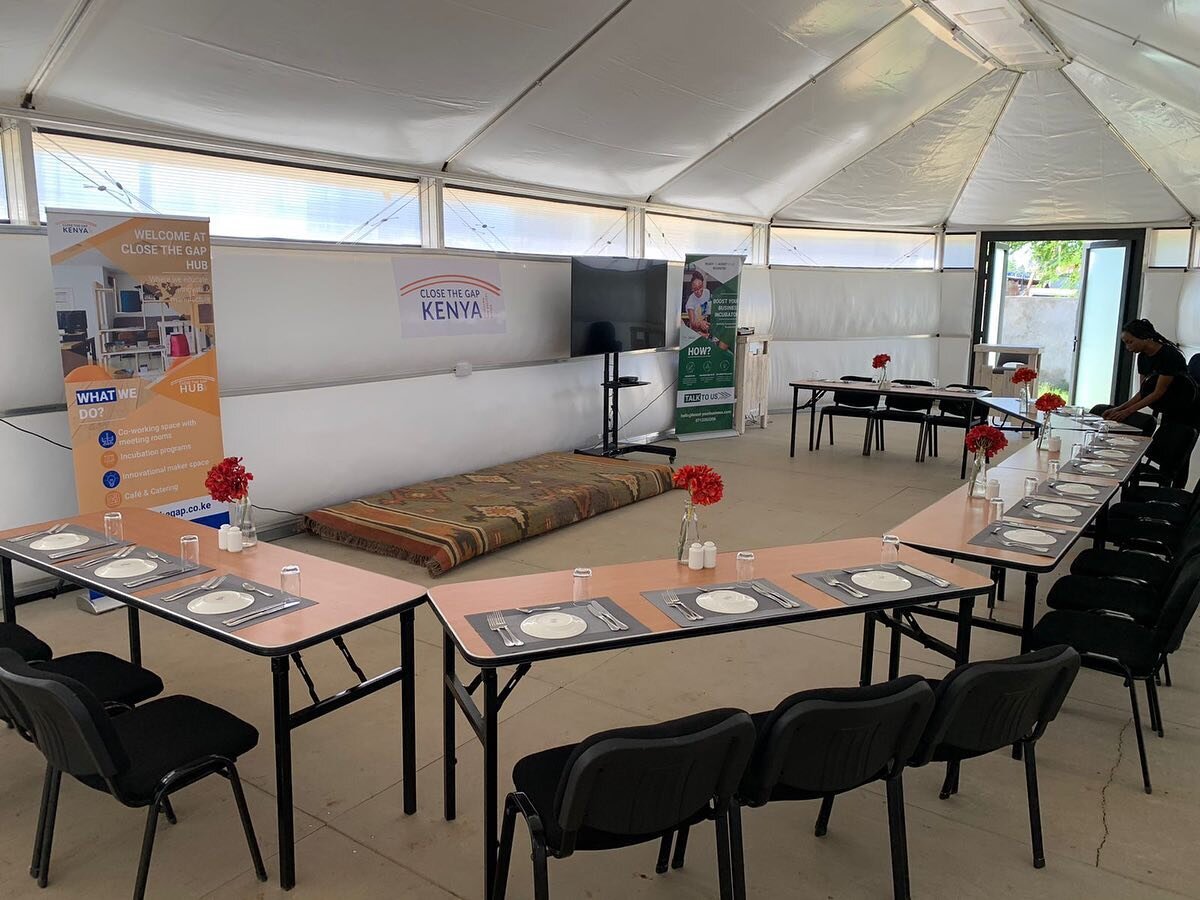
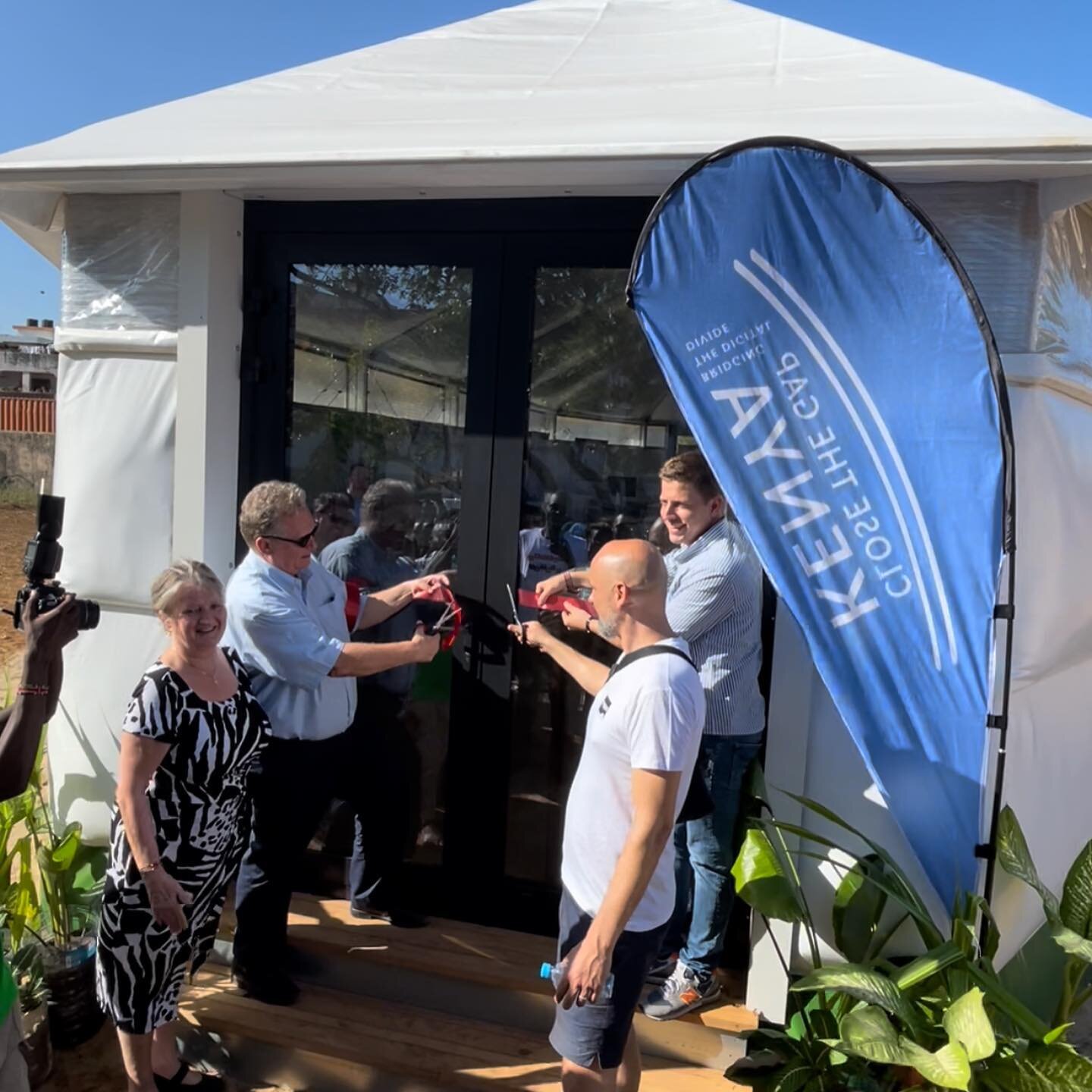
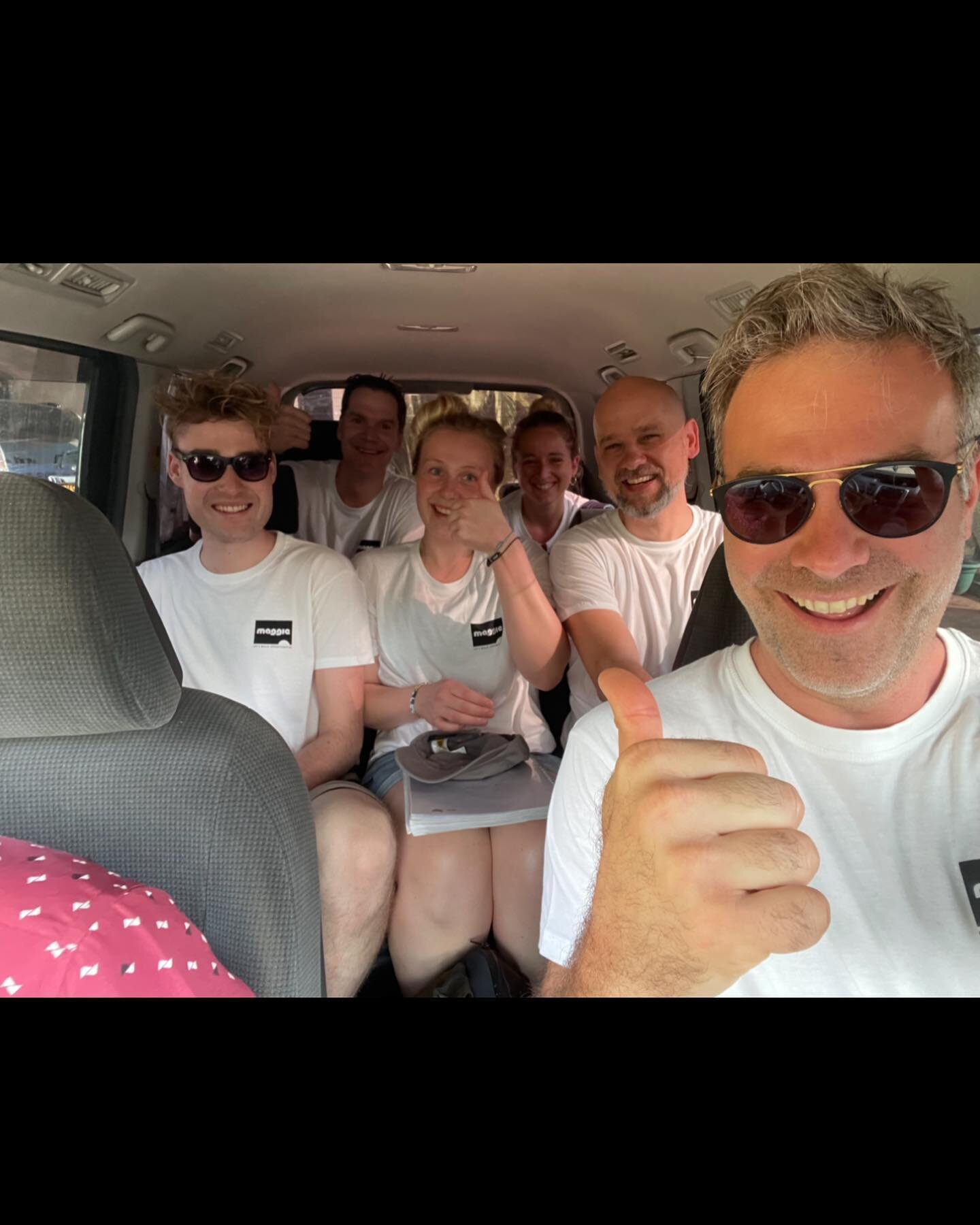
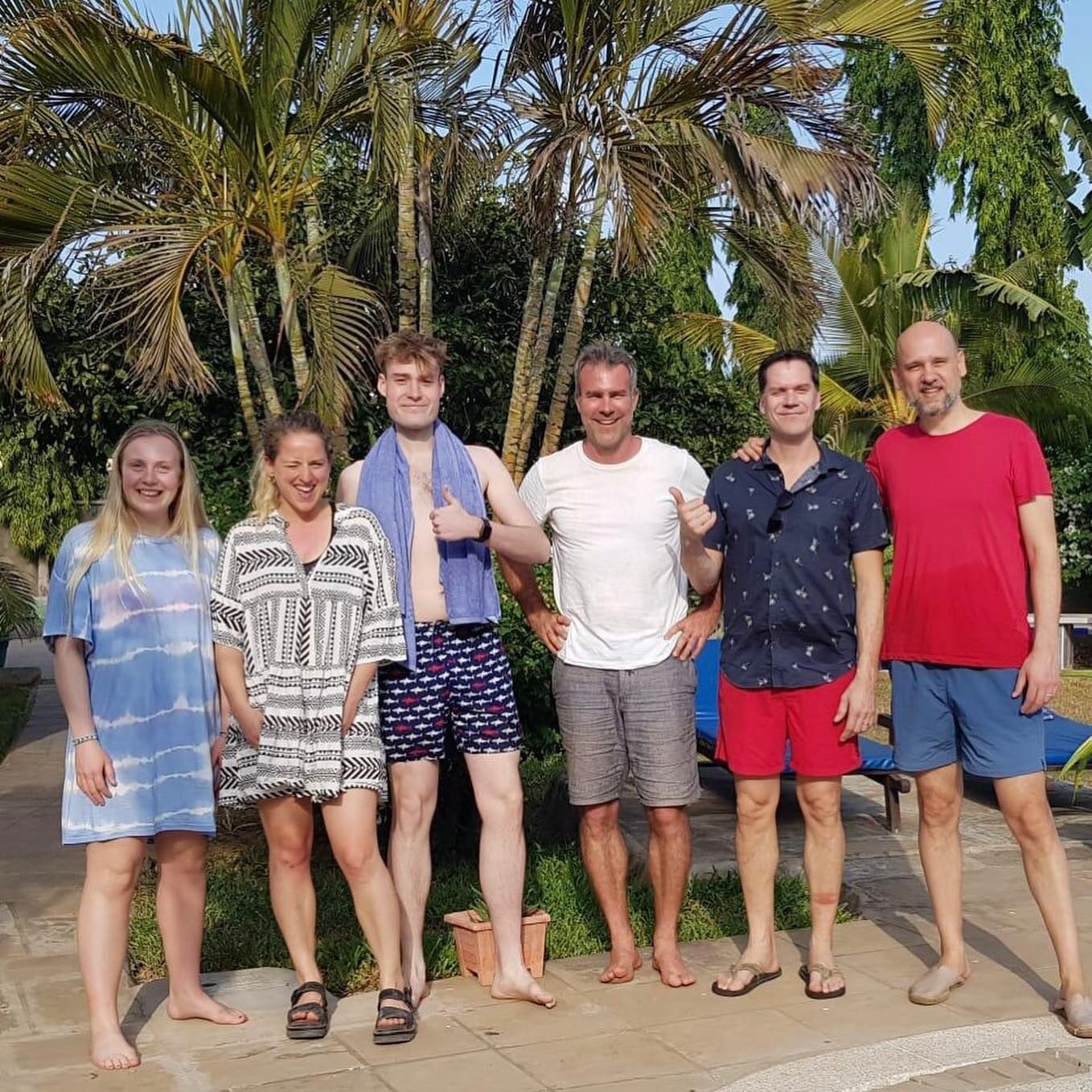
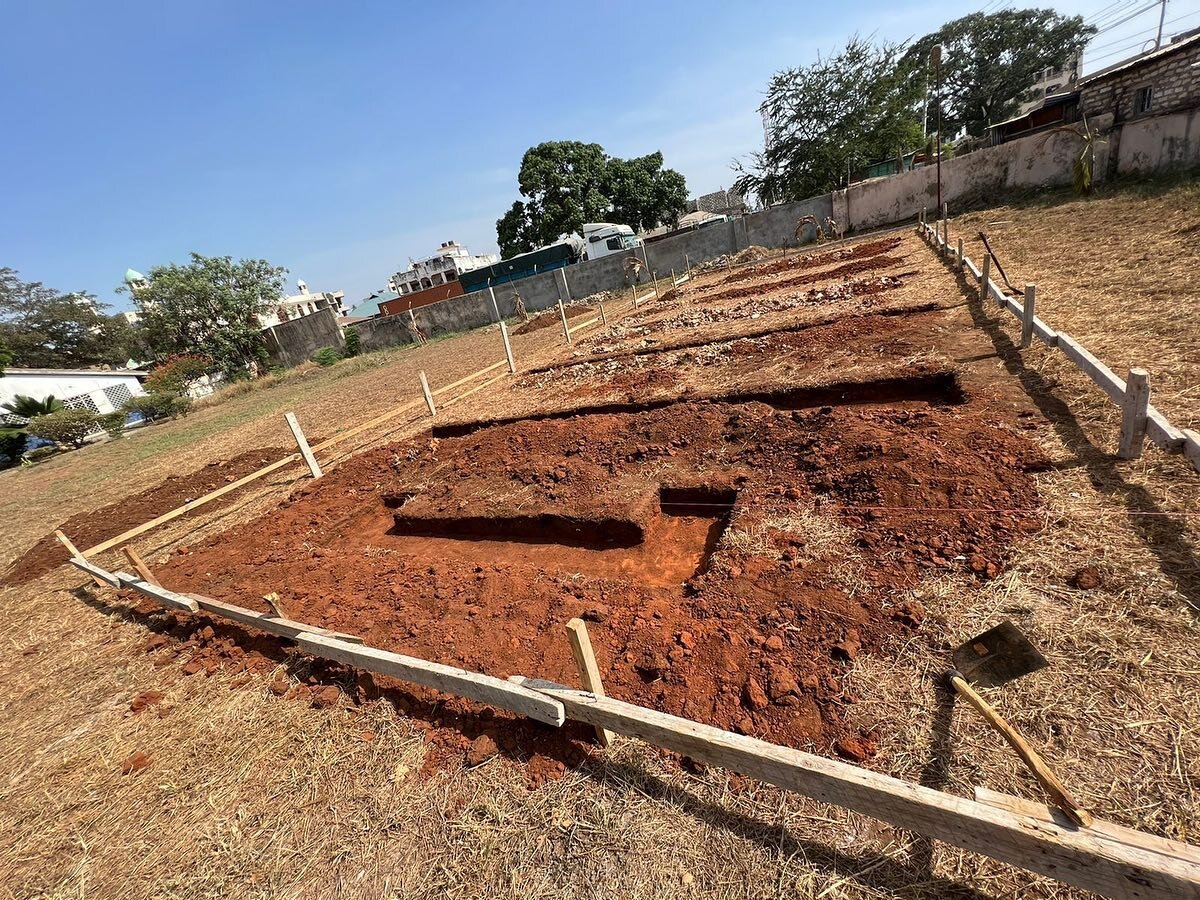
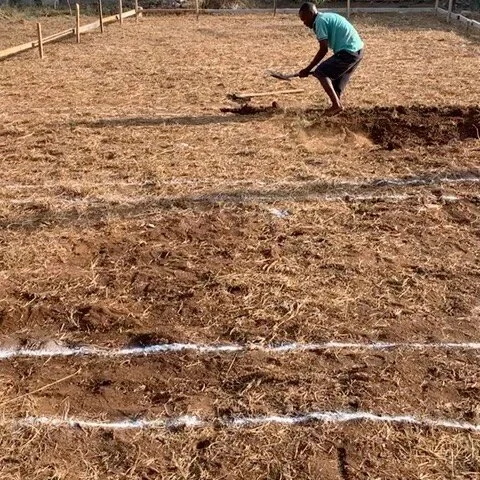
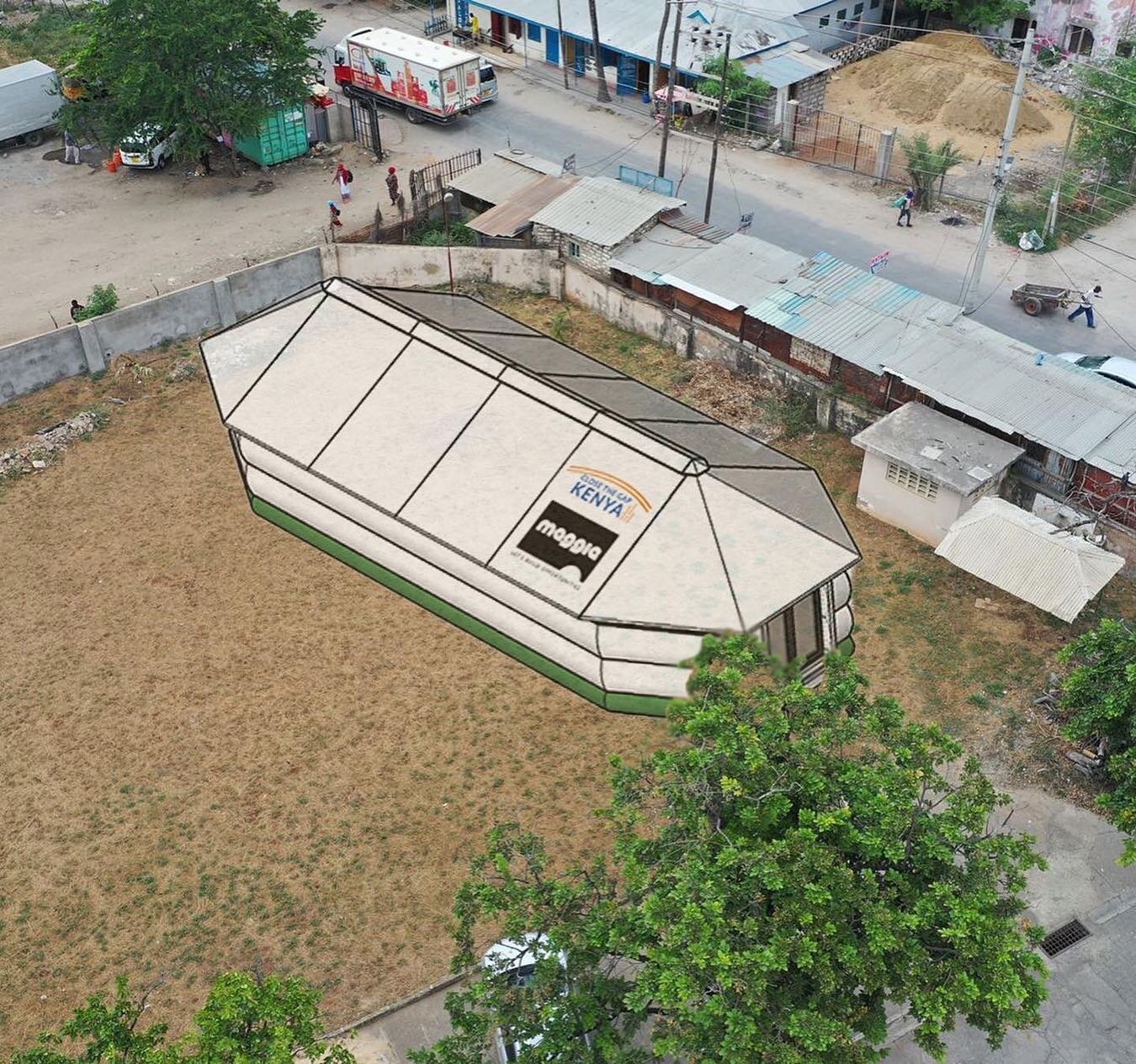
In March 2022, our team travelled to Mombasa, Kenya, for our previous hands-on project. Together with our local partner, Close the Gap Kenya , the team helped bring the Maggie Shelter to life while getting to know the local context and the people behind the project.
Next up: Maggie goes to Senegal — January 2027.
Together with our local partner Caluna vzw, we will build 2 Maggie Shelters near the pediatric oncology department of the local hospital in M’bour. One will serve as a medical training centre, while the other will provide a space for activities and support for children undergoing cancer treatment.
Want to get involved with your team? Get in touch and join us on the ground.


Press and publications
DCHI Awards 2019
The Leuven-based architectural firm DMOA (Belgium) received an award this weekend at the Innovation Festival in Amsterdam. Their project, Maggie—a tent designed to offer the durability and quality of a permanent building—was named the best humanitarian innovation of the year. The festival focused on innovation in development cooperation. (Het Laatste Nieuws, 2019)

Exhibition at MoMA
For over 60 million persons in the world today, shelter is defined through constant movement or escape. Insecurities: Tracing Displacement and Shelter explores the ways in which contemporary architecture and design have addressed notions of shelter in light of global refugee emergencies. (…) This exhibition is part of Citizens and Borders, a series of discrete projects at MoMA related to works in the collection that offer a critical perspective on histories of migration, territory, and displacement. (MOMA, 2016)

Henry van de Velde Award
The Maggie looks like a large tent but offers the benefits and functionality of a permanent building. For the price and weight of a modest family car, you get a 105m² sustainable structure. Beyond the humanitarian sector, Maggies also prove valuable in remote and conflict regions. (Henry van de Velde Awards, 2016)

Follow our journey.
Want to be part of our journey? Follow us on our socials.